Loading...
Serving Abilene, TX and surrounding areas(325) 283-1586
Abilene Insulation Company provides insulation contractor services across Sweetwater, TX, covering blown-in attic insulation, air sealing, and crawl space work for homes throughout Nolan County. Our installs are TDLR-documented and permitted correctly, and we respond to every Sweetwater inquiry within one business day.
Matched to Nolan County's semi-arid climate, wind exposure, and housing stock.
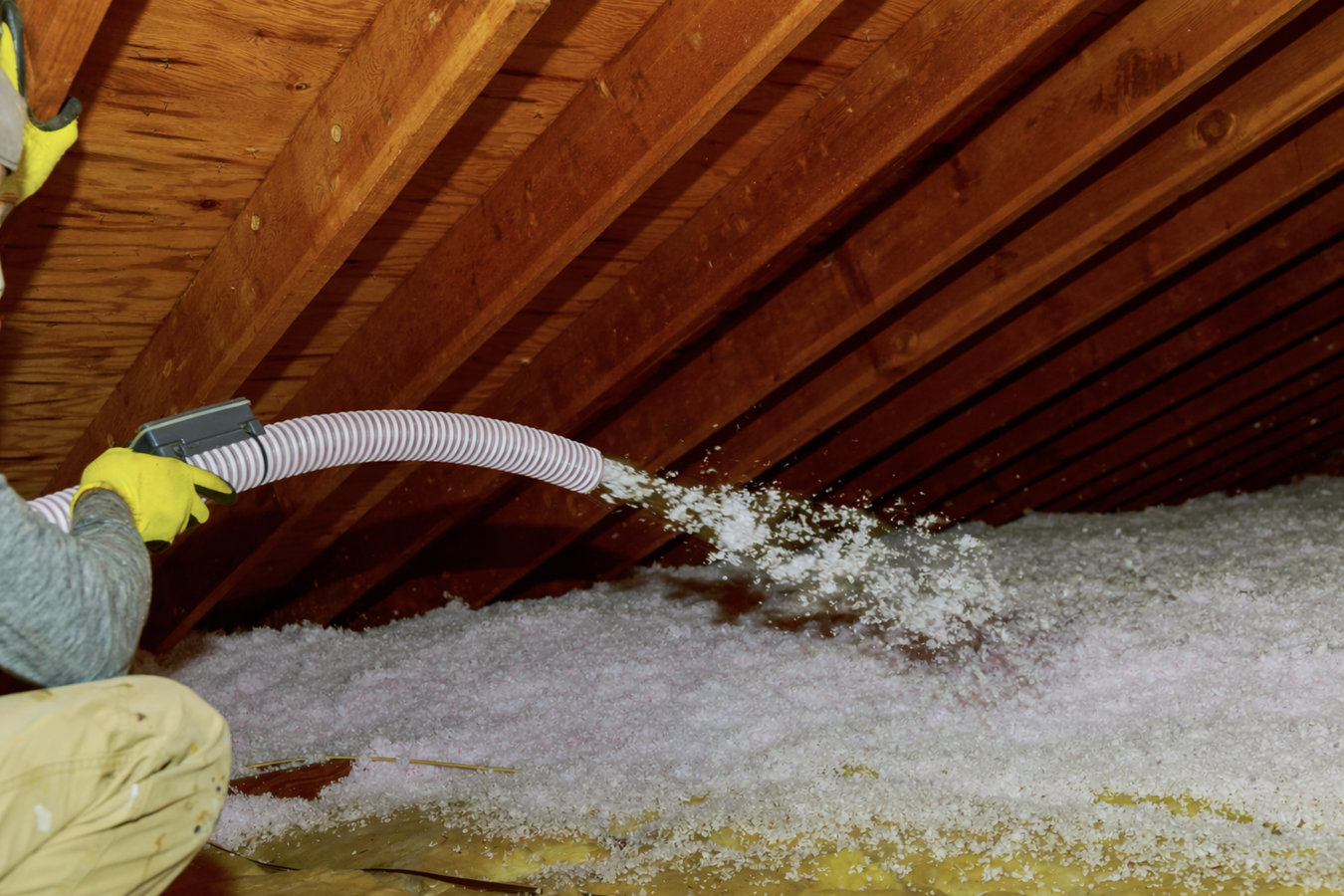
Sweetwater's older homes — particularly the 1950s and 1960s-era frame and brick construction in the residential streets around the Nolan County Courthouse — typically have attic insulation at R-11 or below. Blown-in cellulose or fiberglass covers the full attic floor uniformly, fills around ceiling penetrations that batts cannot reach, and installs in a single day without disturbing the living space below. It is the most practical first upgrade for any Nolan County home built before 1990.
In a place as windy as Sweetwater, unsealed attic bypasses are not a minor issue. Gaps around top plates, plumbing stacks, and recessed lights allow wind-driven air to push into living spaces regardless of how much insulation sits above them. Sealing these penetrations before blown-in installation is the step that makes the insulation actually work under West Texas conditions.
Summer temperatures in Sweetwater regularly climb above 95°F for weeks at a time, pushing attic temperatures well above 140°F at peak hours. A properly insulated attic — at R-38 or better — functions as a thermal break between that heat and the living space below, reducing how hard the air conditioner has to work from June through September. That difference is measurable in monthly electric bills.
For crawl spaces, rim joists, and tight areas where standard blown-in equipment cannot deliver uniform coverage, closed-cell spray foam provides the highest R-value per inch available and simultaneously creates an air and vapor barrier. Sweetwater homes with exposed crawl spaces and rim joists near the exterior slab edge benefit significantly from spray foam applied to those surfaces before the broader attic work begins.
Many Sweetwater homes built before 1980 have empty or minimally insulated wall cavities. Dense-pack blown-in wall insulation adds real thermal resistance without requiring drywall removal. Small access holes are drilled through either the interior or exterior surface, the cavity is filled to density, and the holes are patched — an effective retrofit that makes a noticeable difference in rooms that face west and take the full afternoon sun.
Sweetwater's semi-arid climate does not eliminate moisture risk in crawl spaces and below-grade areas — ground moisture still rises through soil regardless of outdoor humidity. A properly installed vapor barrier on the crawl space ground stops that moisture from reaching floor framing and sub-floor materials, which is particularly relevant for older Nolan County homes where the original vapor protection has deteriorated or was never installed.
Sweetwater's semi-arid climate — classified as BSk under the Köppen system — is defined by hot, dry summers and wide seasonal temperature swings. Average summer highs exceed 95°F regularly and can push above 100°F for extended stretches. Winter lows can drop below freezing, and the occasional severe weather event, including hail and high-wind storms, adds a recurring stress factor to residential structures. Insulation that was marginal when it was installed degrades further under those conditions over time.
The wind environment around Sweetwater is genuinely unusual. Nolan County holds over 1,500 MW of installed wind capacity, which reflects the persistent, intense wind resource across the area — a resource that is equally effective at driving air through any gap in a residential building envelope. Conventional fiberglass batt insulation, which relies on trapped air for its R-value, can lose a meaningful fraction of its effectiveness in a high-wind environment because moving air flowing around and through the batt reduces its thermal resistance. A properly air-sealed and blown-in attic floor does not have this vulnerability.
The housing stock in Sweetwater reflects the city's long, stable history. The population has remained between 10,000 and 13,000 since the 1940s, which means many of the homes being lived in today were built before any statewide energy code existed. A substantial share of residential properties in the streets around downtown, near Texas State Technical College at Avenger Field, and in the older east-side residential areas have attic insulation well below R-38 — the current minimum — and wall cavities that have never been touched.
The practical result is that heating and cooling equipment in Sweetwater homes works significantly harder than it should, and electric bills reflect that. For Nolan County property owners, insulation is not a luxury upgrade — it is the correction to a structural deficit that has been accumulating since the house was built.
Sweetwater sits 40 miles west of Abilene along I-20, which puts it at a straightforward drive from our base for morning job starts. We have worked enough addresses in Sweetwater to recognize the construction patterns that repeat across Nolan County: the older wood-frame homes near downtown tend to have original blown-in or batt attic insulation that has compressed and settled over decades, while homes from the 1970s and 1980s near the I-20 frontage roads were often built with minimal wall cavity fill and no meaningful vapor management in crawl spaces.
For permitted jobs, we coordinate with the City of Sweetwater's building department and produce the TDLR-required installation certificate for every project, whether or not a city permit applies. The National WASP WWII Museum at Avenger Field on the west side of town is a navigational landmark we pass regularly heading to job sites near Texas State Technical College — that stretch of Avenger Field Road has a mix of residential and commercial buildings, some of which have significant insulation needs in their ceiling assemblies given the age of construction.
Sweetwater customers often have family or property connections in nearby communities. We also serve Merkel to the east along I-20, where smaller-town housing stock shares many of the same pre-code construction characteristics seen in Sweetwater, and Snyder to the north along US-84, where ranch-area homes and older in-town properties present similar attic upgrade needs.
Phone or online — we respond to every Sweetwater inquiry within one business day. For calls during business hours, the response is typically the same day. No automated scheduling systems, no call centers.
We visit the home, inspect the attic, any crawl space, and the walls if needed, and give you a written estimate listing materials, R-value targets, and total cost. The assessment is free. You are under no obligation to proceed.
When a permit is required, we handle the submission to the City of Sweetwater before work begins. Cost is confirmed in writing before anything starts. Most Nolan County jobs are scheduled within the same week as the estimate.
Work is completed — typically in one day for attic projects — and the TDLR-required certification label is posted in the attic listing installed depth and R-value. That document is your record for inspections, insurance, and future property sale.
We respond to Sweetwater inquiries within one business day. The on-site estimate is free and there is no obligation to proceed. After you reach out, we schedule a visit, inspect the home, and provide a written quote before any work begins.
(325) 283-1586Sweetwater is the county seat of Nolan County, with a population of approximately 10,622 recorded in the 2020 Census. Located 40 miles west of Abilene along I-20, the city has been a stable, established community since the Texas and Pacific Railway arrived in 1881. The population has remained between 10,000 and 13,000 for more than 80 years, reflecting a settled, working-community character rather than a rapidly growing one.
Sweetwater is widely known as the Wind Turbine Capital of Texas. Nolan County alone holds over 1,500 MW of installed wind capacity — a figure that would rank the county among the top wind energy producers in the world on its own. The landscape surrounding the city is visibly defined by thousands of wind turbines stretching across the rolling West Texas plains, which also means the area experiences some of the most consistent wind in the state.
The city's most historically significant site is Avenger Field, which served as the sole training base for Women Airforce Service Pilots (WASPs) during World War II — the first women to fly U.S. military aircraft. The National WASP WWII Museum at 210 Avenger Field Road preserves that history in a restored 1929 hangar on the original airfield grounds. Texas State Technical College (TSTC) has operated its Sweetwater campus at Avenger Field since 1970 and is one of the city's major employers.
The Sweetwater Jaycees Rattlesnake Roundup, held every March at the Nolan County Coliseum since 1958, is the single event most strongly associated with Sweetwater nationally and brings tens of thousands of visitors to the city each spring. We also serve customers in Merkel to the east, where many of the same building stock conditions apply, and Abilene further east where our crew is based.
Spray foam seals air gaps and adds R-value in one application, making it one of the most effective options for attics, walls, and crawl spaces.
Learn moreProper attic insulation is the single biggest factor in keeping your home comfortable and your energy bills predictable year-round.
Learn moreBlown-in insulation reaches tight corners and irregular cavities that batts cannot, delivering consistent coverage across large areas quickly.
Learn moreWhole-home insulation assessments identify the weakest points in your building envelope and address them with the right materials.
Learn moreOld, compressed, or contaminated insulation reduces performance; removal clears the way for a fresh, properly installed system.
Learn moreInsulating the crawl space floor or walls keeps moisture and cold air from migrating into the living areas above.
Learn moreWall insulation reduces heat transfer through the building envelope and lowers the load on heating and cooling equipment.
Learn moreAir sealing closes the gaps, cracks, and penetrations where conditioned air escapes and outside air enters uncontrolled.
Learn moreBasement insulation stabilizes temperatures in the lowest level of the home and prevents cold floors from pulling heat out of the rooms above.
Learn moreClosed-cell foam provides the highest R-value per inch available and acts as both an air and vapor barrier in a single layer.
Learn moreOpen-cell foam is a cost-effective choice for interior walls and attics where a vapor-permeable, sound-dampening material is preferred.
Learn moreSealing the attic floor before adding insulation prevents stack-effect air movement and dramatically improves overall thermal performance.
Learn moreA vapor barrier installed on the crawl space ground stops ground moisture from rising into floor framing and living areas.
Learn moreVapor barrier installation protects wall assemblies and below-grade spaces from moisture accumulation that leads to mold and structural decay.
Learn moreRetrofit insulation adds thermal protection to existing walls and attics without requiring full demolition or major reconstruction.
Learn moreCommercial insulation solutions for warehouses, office buildings, and industrial facilities reduce operating costs and improve occupant comfort.
Learn moreServing these cities and communities.
Most Nolan County jobs are scheduled within the same week — call or submit the form and we will confirm a time within one business day.