
Loading...
Serving Abilene, TX and surrounding areas. (325) 283-1586
Abilene Insulation Company serves San Angelo, TX as an insulation contractor specializing in crawl space insulation, attic insulation, and spray foam insulation. We have worked on the older brick ranch homes throughout Tom Green County since 2022 and know how the clay soils and triple-digit summers affect what a home needs.
Abilene Insulation Company serves San Angelo, TX as an insulation contractor specializing in crawl space insulation, attic insulation, and spray foam insulation. We have worked on the older brick ranch homes throughout Tom Green County since 2022 and know how the clay soils and triple-digit summers affect what a home needs.
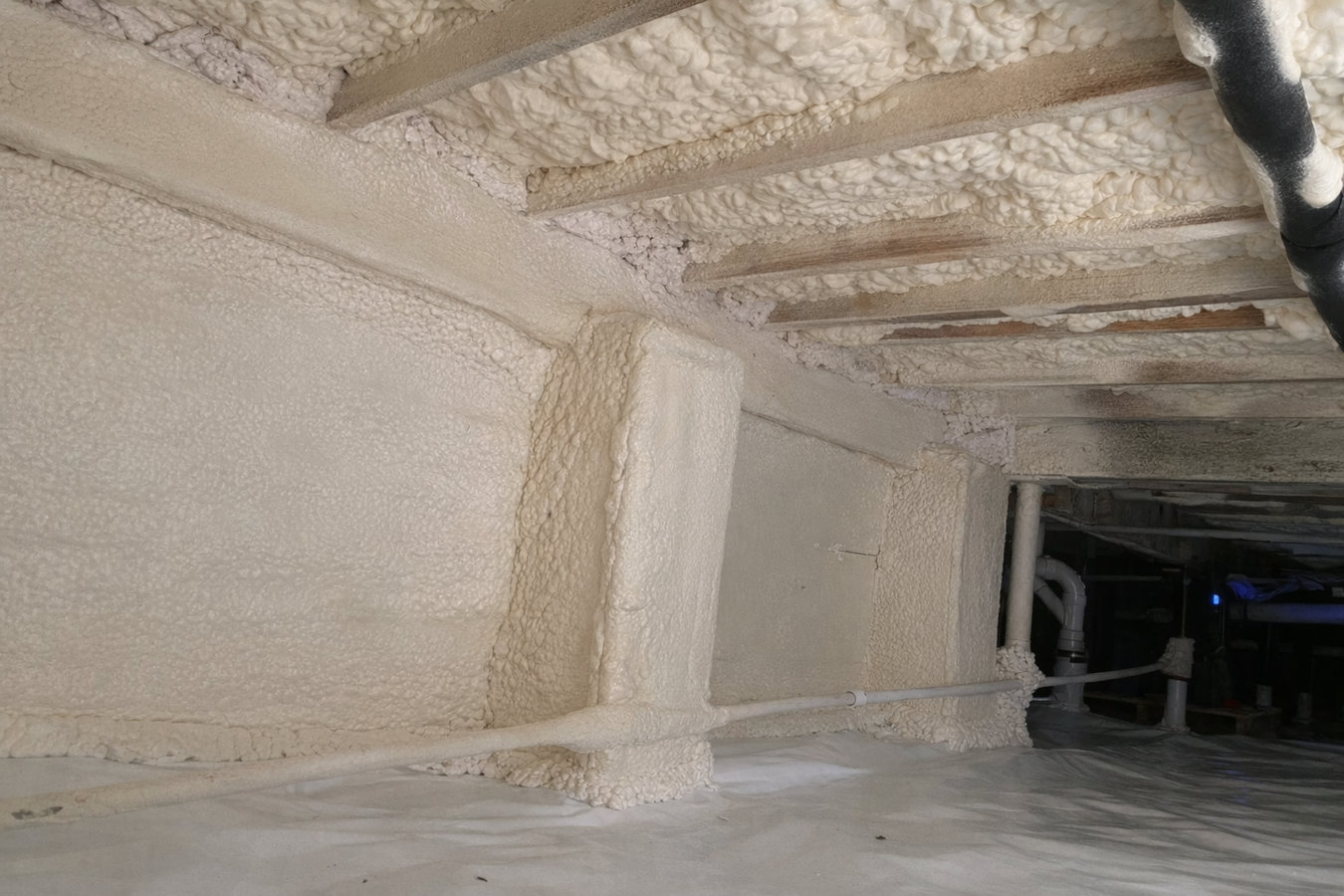
San Angelo's clay soils swell and shrink with every wet and dry spell, and that repeated movement opens gaps along crawl space walls and around foundation penetrations. Those openings let in moisture, hot summer air, cold drafts, and pests. Sealing and insulating the crawl space stabilizes the environment under your floors and reduces the ongoing damage from soil movement. Learn more about crawl space insulation and what the process involves.
San Angelo attics hit extreme temperatures during the long summer months, and a ceiling without adequate insulation lets that heat pour straight into your living space. Most of the city's postwar ranch homes were built to insulation standards that are a fraction of what is recommended today. Bringing attic depth up to current levels is the most direct way to reduce cooling costs for a San Angelo home built before 1990.
Older San Angelo homes, particularly those near downtown and along the north side, have gaps around pipes, wiring, and framing that standard blown-in material cannot fill completely. Spray foam expands into those spaces and creates an airtight seal that is especially valuable in a city where persistent winds push outside air through every opening they can find. It is also the preferred option for crawl space walls and any area where moisture is a secondary concern.
Ground moisture rising through a crawl space is a real problem in San Angelo, where soils hold water during wet periods and release moisture as they dry. A properly installed vapor barrier covering the crawl space floor blocks that ground moisture before it can reach the floor framing above. It works best when paired with crawl space insulation on the walls rather than as a standalone fix.
Blown-in insulation is the most practical choice for topping off attics in San Angelo's older neighborhoods, where irregular joist spacing and existing obstructions make rolled batts impractical. A crew can fill an average attic floor in a few hours using a hose run up through the access hatch, with no need for you to vacate your home during the work. The result is consistent coverage across the entire attic floor without a full tear-out.
Air sealing closes the gaps around ceiling penetrations, attic hatches, and exterior wall openings before insulation is added. In San Angelo homes where foundation movement has been gradual over many years, those gaps are often wider than they appear from below. Skipping air sealing and going straight to adding insulation is the most common shortcut in this industry, and it is one of the main reasons some homeowners do not see the savings they expected after a job.
San Angelo sits at the crossroads of West Texas, and the climate here is unforgiving for any home with gaps in its envelope. Average July highs run near 97 degrees Fahrenheit, and the city regularly sees stretches above 100. A large share of San Angelo's housing stock was built before 1990, much of it in the 1950s through 1970s, when insulation standards were far lower than what is recommended today. Those homes were never designed to hold up against the kind of cooling load that modern summers create.
The soils in Tom Green County are heavy with clay that swells when wet and shrinks when dry. San Angelo goes through drought-and-flood cycles that push this process hard, and the repeated movement is the primary cause of foundation settling and crawl space damage throughout the area. Over time, those shifts open small gaps that are prime entry points for hot air, ground moisture, and pests. Insulation work here has to account for what the soil does to a foundation, not just what happens at the ceiling.
The February 2021 winter storm hit San Angelo hard, causing widespread pipe bursts and property damage across the city. Homes with better insulation and air sealing held their interior temperature longer during that event and suffered less damage. Insulating for San Angelo means addressing both ends of the temperature range, not just the summer heat that most homeowners think about first.
San Angelo is the biggest city for about 100 miles in any direction in West Texas, and the homes here reflect that regional character. Most of our San Angelo work is on single-story brick ranch homes built from the 1950s through the 1980s in neighborhoods spread across the north and west sides of the city. When we open an attic hatch in one of these houses, we typically find fiberglass batts that have settled to a fraction of their original depth, little to no air sealing around older electrical fixtures, and crawl spaces that have been slowly affected by foundation movement over decades. That is not a criticism of the builders, it is just the reality of what homes from that era look like now.
Getting around San Angelo is easy once you know the layout. US Highway 87 and Loop 306 are the main corridors most of our jobs flow along. We work across the full city, from homes near the Concho River Walk in downtown to neighborhoods on the west side near Lake Nasworthy and San Angelo State Park. Goodfellow Air Force Base brings a steady rotation of military families to the area, and we work with those homeowners and property managers regularly.
San Angelo is about 90 miles southwest of our base in Abilene, and we make regular trips out here. If you are wondering whether we service your specific neighborhood, call us and we will let you know the next available slot in your area.
Reach us by phone or the contact form on this site. We respond within 1 business day and will ask a few basic questions about your home so we can arrive at the estimate prepared. No obligation to book after the call.
We visit your home, look at your attic and crawl space, and measure what is there. This is where we identify any moisture, pest damage, or foundation movement issues that need to be addressed first. We also confirm whether your project requires a permit before any work starts, so there are no surprises.
The crew air-seals gaps before adding any new material, then installs the insulation. Most attic jobs in San Angelo finish in one day. Crawl space projects may take a day or two depending on the extent of prep work. If spray foam is part of the job, you will need to keep clear of the treated area for two to four hours after application.
Before we leave, we walk you through everything that was done and answer any questions you have. We leave depth markers in the attic and provide any documentation needed for permit inspections, so you have a clear record of the work if you ever sell or file an insurance claim.
We serve all areas of San Angelo and typically schedule estimates within a few days of your first call. If you want to stop paying for air conditioning that escapes through your ceiling, let us take a look.
(325) 283-1586San Angelo is the county seat of Tom Green County and the largest city in a wide stretch of West Texas, serving as the regional hub for shopping, healthcare, and services for communities spread across a large rural area. With a population of around 100,000, it is a mid-sized city with a strong identity built around oil and gas, Goodfellow Air Force Base, and Shannon Medical Center. The North and South Concho Rivers meet inside the city and flow through the heart of downtown, giving the city one of the most recognized public spaces in West Texas along the Concho River Walk.
The housing stock in San Angelo is predominantly brick, built mostly from the 1940s through the 1980s. Single-story ranch-style homes on concrete slab foundations dominate the postwar neighborhoods across the north and west sides of the city. Homes near downtown and in older established areas go back further, to the early 1900s. About 55 percent of occupied homes are owner-occupied, and the median home value sits around $150,000 to $160,000, well below the Texas state average. Most homeowners here take their maintenance decisions seriously because they are protecting a meaningful investment.
We also serve homeowners in Abilene, about 90 miles to the northeast, and other communities across the region. If you are in San Angelo and ready to schedule an estimate, call us at (325) 283-1586 or use the contact form on this site.
Professional spray foam insulation that creates an airtight seal and superior thermal performance.
Learn moreAttic insulation solutions that reduce heat transfer and lower energy costs year-round.
Learn moreBlown-in insulation fills gaps and cavities for consistent coverage throughout your home.
Learn moreWhole-home insulation services tailored to improve comfort and reduce energy waste.
Learn moreSafe removal of old or damaged insulation to prepare your space for a fresh installation.
Learn moreCrawl space insulation that controls moisture and prevents heat loss through your floors.
Learn moreWall insulation that improves thermal resistance and reduces outdoor noise.
Learn moreAir sealing services that eliminate drafts and prevent conditioned air from escaping.
Learn moreBasement insulation that keeps lower levels dry, comfortable, and energy-efficient.
Learn moreClosed-cell foam provides the highest R-value per inch and a strong moisture barrier.
Learn moreOpen-cell foam offers excellent sound dampening and flexible coverage for interior spaces.
Learn moreAttic air sealing stops thermal bypass and improves the performance of your insulation.
Learn moreVapor barriers in the crawl space block ground moisture from entering your living areas.
Learn moreProfessional vapor barrier installation that protects your structure from moisture damage.
Learn moreRetrofit insulation upgrades existing homes without requiring major demolition or renovation.
Learn moreCommercial insulation services for offices, warehouses, and industrial facilities.
Learn moreServing these cities and communities.
Call Abilene Insulation Company for a free estimate in San Angelo. We know these homes, and we will tell you honestly what your house needs.