Loading...
Serving Abilene, TX and surrounding areas. (325) 283-1586
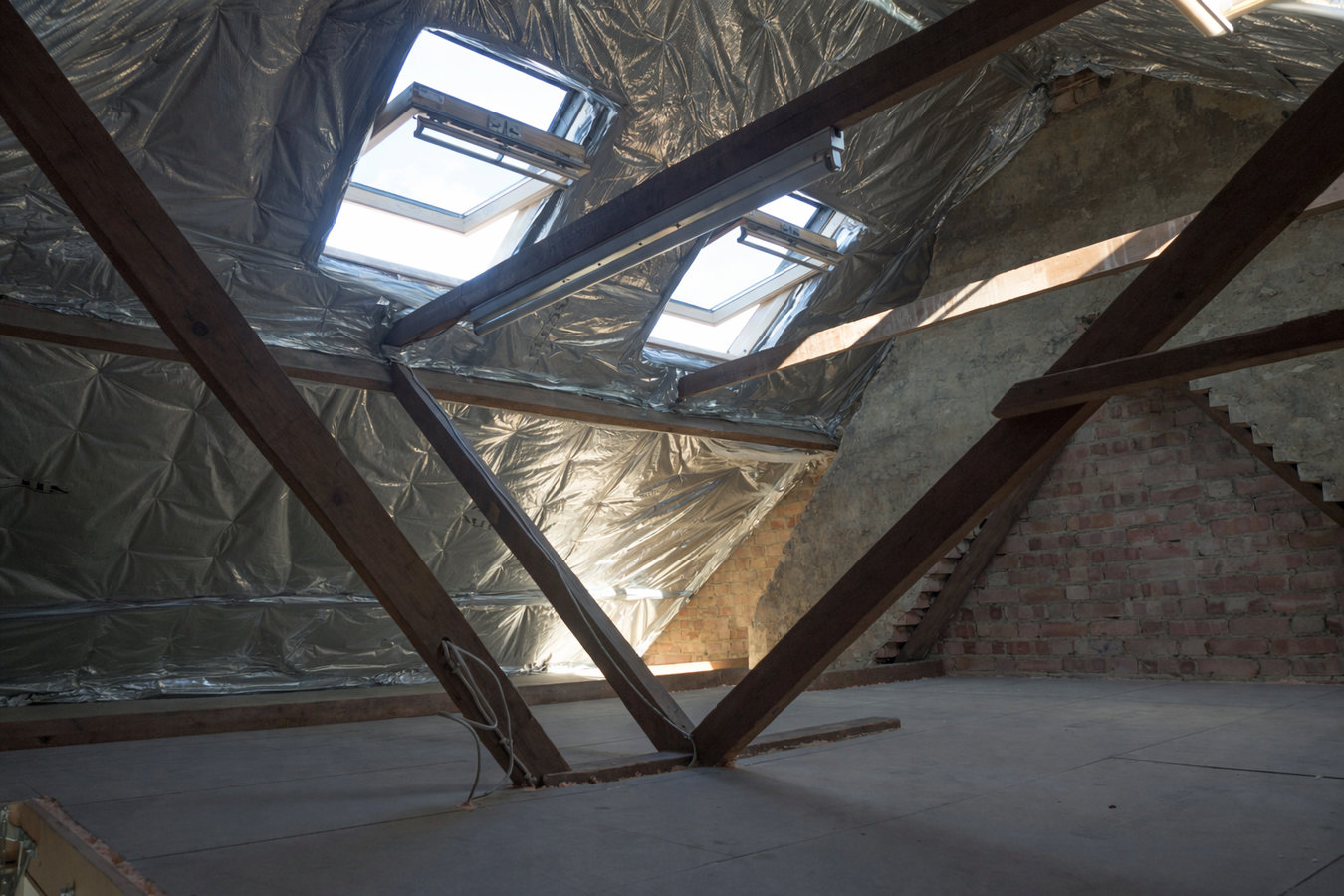
When Abilene temperatures top 100 degrees, your attic turns into a furnace. Proper attic insulation cuts that heat transfer so your home holds a comfortable temperature and your AC runs less.
Attic insulation in Abilene acts like a thick blanket between your living space and the extreme heat that builds up in your attic every summer. Most jobs on a single-family home are completed in one day, and the improvement in comfort is typically noticeable by the first hot afternoon after installation.
The two most common options for Texas attics are blown-in loose-fill material and spray foam. Blown-in is the most practical choice for most existing homes because it fills in around framing, pipes, and fixtures without leaving gaps. For homes with significant air leaks around attic penetrations, combining blown-in material with blown-in insulation and attic air sealing together addresses both the insulation and the air leak problem in a single project.
According to the U.S. Environmental Protection Agency, properly insulating and air-sealing a home can cut heating and cooling costs by an average of 15 percent. In Abilene, where summer cooling bills can run high, that savings adds up quickly.
If your June through September cooling costs feel out of proportion to the size of your home, your attic is likely the culprit. In Abilene's heat, an under-insulated attic acts like a heat lamp pointed at your ceiling. Your air conditioner cannot keep up and you pay for every degree it loses.
Rooms directly under the roofline, such as back bedrooms or top-floor spaces, that stay consistently warmer than the rest of the house are showing you that heat is pushing through the ceiling from above. This is one of the most common complaints Abilene homeowners describe before an attic upgrade.
If you look into your attic and can clearly see the tops of the wooden framing members, your insulation is too thin. Adequate insulation for this part of Texas should be deep enough to cover those beams completely. This is the single easiest check you can do yourself.
Homes built in Abilene before the early 1990s were insulated to standards now considered inadequate. If you have owned the home for years and cannot recall any insulation work, what was acceptable in 1975 will not keep up with today's energy costs. A quick attic inspection tells the story.
We install blown-in loose-fill insulation, spray foam, and combination systems depending on what your attic needs. Every job starts with an honest assessment: we look at what is already there, check for moisture or pest damage, and tell you exactly what needs to happen before new material goes in. We do not skip the air sealing step. Plugging gaps around pipes, wires, and light fixtures before blowing in new material is what separates a job that actually performs from one that merely adds material.
If your existing insulation is in decent shape, we can add new material on top. If it has been damaged by moisture or pests, it needs to come out first. We tell you which situation applies and explain why before any work begins, which is the standard any reputable insulation company should hold.
The most cost-effective choice for most existing Abilene homes, filling evenly around any obstacle on the attic floor.
Best for older homes with significant air leaks where sealing and insulating need to happen at the same time.
Addresses both the insulation gap and the air infiltration problem in a single project for maximum efficiency.
For homes that have some insulation but fall short of the recommended depth for Abilene's climate zone.
Abilene regularly sees summer high temperatures above 95 degrees, and attics in this climate can reach 140 to 160 degrees on the hottest afternoons. A large share of the city's housing stock was built between the 1940s and 1980s under standards that are now considered inadequate. Many homes in those neighborhoods have only a few inches of original insulation left after decades of settling. The combination of intense heat and aging homes is what makes attic insulation one of the highest-value upgrades available to Abilene homeowners.
Abilene's dry, windy climate also pushes fine dust through gaps in attic floors into living spaces. Sealing and insulating those gaps reduces the dust infiltration problem at the same time it reduces heat gain. We serve homeowners across Abilene, Lubbock, and Wichita Falls and understand how conditions here differ from East Texas or Central Texas.
Abilene winters are milder than much of the country, but overnight lows regularly drop into the 20s and 30s from December through February. A poorly insulated attic loses heat quickly on cold nights, meaning your furnace works harder than it should. The same upgrade that reduces your summer cooling bill also reduces your winter heating costs.
Call or submit a form. We respond within 1 business day and ask a few basic questions so we can show up to the estimate prepared, not guessing.
We get into your attic to see what is there and check for moisture, pest damage, or gaps around fixtures. This visit is free, takes 20 to 30 minutes, and no price is given without this step first.
You receive a written estimate detailing what work will be done, what materials will be used, the total cost, and any permit considerations. No surprises on the day of the job.
The crew sets up equipment outside and runs a hose through your attic hatch. Air sealing happens first, then blowing in new material. Most jobs are done in a few hours. You can stay home. The insulation works immediately, no curing time required.
We respond within 1 business day. Submitting a form does not commit you to anything. After you reach out, someone from our office will call to schedule a free on-site attic assessment at a time that works for you.
(325) 283-1586We do not give prices over the phone without seeing the space. Every estimate is based on what is actually in your attic, so what we quote is what you pay. Contractors who skip this step often surprise homeowners with extra charges on the day of the job.
We seal gaps around pipes, wires, and fixtures before adding new insulation material. Skipping that step is the most common way a contractor delivers a technically complete job that still underperforms. The IRS energy efficiency tax credit for qualifying insulation work, detailed at irs.gov, applies to materials we use.
We have worked on homes across Abilene, San Angelo, Midland, Lubbock, and surrounding cities. West Texas housing conditions, older brick ranches, clay soil, extreme summer heat, are what we know. The approach that works here is not the same as what works in Houston or Austin.
Every job we take on is handled by an experienced crew and documented from start to finish. We provide a written record of the work and are happy to share it before work begins. You should never hire an insulation contractor who cannot show you what they did.
Abilene homeowners have specific questions before they hire, and we answer them directly. Call us or fill out the form on our contact page and we will get back to you within 1 business day.
Loose-fill blown-in insulation for attics and wall cavities, filling every gap evenly without disturbing your home's existing structure.
Learn moreTargeted air sealing of gaps around pipes, wires, and fixtures in your attic before or alongside new insulation installation.
Learn moreEvery week without proper attic insulation in Abilene's heat adds to your energy bill. Reach out now and we will get your free on-site assessment scheduled within 1 business day.