Loading...
Serving Abilene, TX and surrounding areas. (325) 283-1586
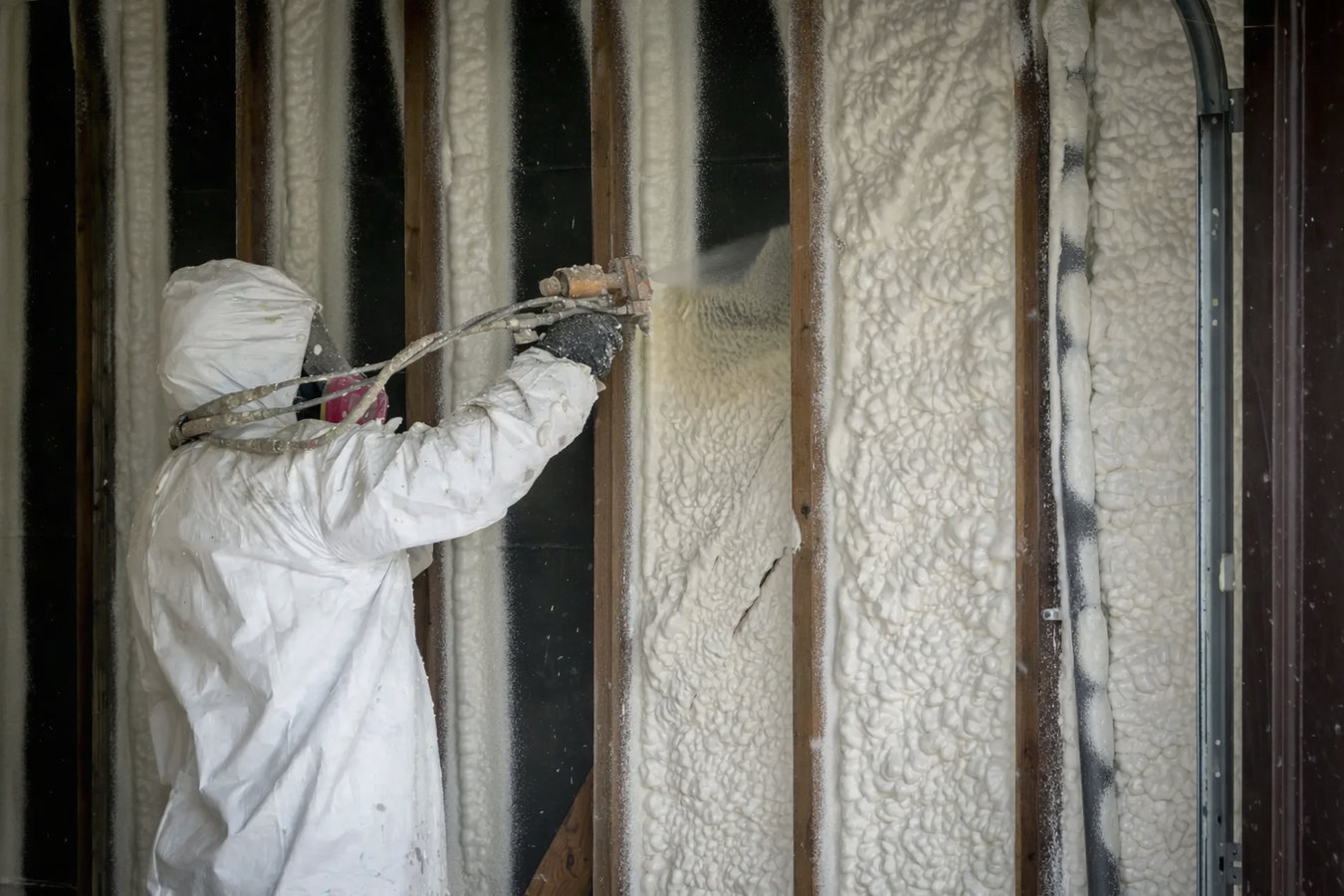
Abilene summers push cooling systems to the limit. Spray foam insulation seals every gap and crack that lets hot air in and cold air out, so your AC runs less and your home stays comfortable.
Spray foam insulation in Abilene seals gaps, fills irregular cavities, and creates an air barrier that other insulation types cannot match. Most attic jobs are completed in a single day, and the improvement in home comfort is noticeable by the next billing cycle.
Unlike batts or blown-in material, spray foam bonds to the surface and expands to fill every crack around pipes, wires, and framing. That air-sealing quality is what makes it especially effective in older Abilene homes, where gaps have accumulated over decades. Many homeowners pair it with attic insulation to address the full heat pathway from roof to ceiling.
West Texas wind also plays a role. Abilene averages higher wind speeds than most of Texas, and persistent wind drives outside air through gaps that would otherwise seem minor. Spray foam closes those entry points completely, making your home noticeably less drafty on breezy days.
If your June, July, and August cooling costs feel out of proportion to the size of your home, poor insulation is one of the most common causes. In Abilene's triple-digit heat, an under-insulated attic can reach 150 degrees, forcing your AC to run almost constantly. If your bill has been climbing year over year without explanation, the attic is the first place to look.
A room that stays hotter in summer or colder in winter than the rest of the house is a clear sign that area lacks adequate insulation or air sealing. In older Abilene homes, this is especially common in rooms above garages, at the far ends of the house, or in later additions. Adjusting the thermostat does not fix the problem.
Abilene's persistent winds make this easy to test. Hold your hand near an exterior wall outlet or a baseboard on a breezy day. If you feel air moving, outside air is getting in through gaps in the wall cavity. Spray foam seals those gaps from the inside, stopping the draft at its source.
Homes built in Abilene before the mid-1990s were constructed under much older energy codes. Many have insulation that has settled, compressed, or was never adequate to begin with. If you have owned the home for years and cannot recall any insulation work being done, there is a reasonable chance the attic or walls are underperforming.
We install spray foam in attics, crawl spaces, exterior walls, rim joists, and anywhere else your home has gaps worth sealing. For most Abilene homes, the attic is the highest priority, since that is where heat gain is most intense. We also handle closed-cell foam insulation for crawl spaces and exterior applications, where moisture resistance matters alongside the thermal benefit.
Each job starts with an honest assessment of what is already in your home. We tell you what needs to come out, what can stay, and exactly what type and thickness of foam is right for your space. No upselling, no generic solutions.
Best for interior attic floors and walls where sound dampening and air sealing are the priorities.
Suited for crawl spaces, exterior walls, and any area where moisture resistance is also needed.
For homes where the attic is the main source of heat gain and air loss in summer.
For homes with vented crawl spaces that let in humidity, pests, and conditioned air loss.
Abilene sits in the Rolling Plains of West Texas, where summer temperatures regularly climb above 100 degrees and the sun beats down on roofs for months at a time. An under-insulated attic in this climate can reach 150 degrees on a hot afternoon, turning your ceiling into a radiant heat source. The energy cost of fighting that heat adds up quickly, and spray foam's tight air seal is one of the most effective ways to reduce it.
A large share of Abilene's housing stock was built between the 1940s and 1980s. Homes from that era have little or no wall insulation, thin attic coverage, and decades of accumulated gaps around pipes and wiring. The older the home, the more room there is to improve, and the faster you will feel the difference. We serve homeowners across Abilene, San Angelo, and Midland with the same standards on every job.
West Texas clay soils also expand and contract with the seasons, opening small gaps in crawl space walls and around foundation penetrations over time. Those gaps invite hot air, cold air, moisture, and pests. Spray foam applied as part of a crawl space treatment closes those entry points and stays in place as the soil moves.
Reach out by phone or form. We respond within 1 business day and ask a few questions about your home and the space you want insulated so we can show up prepared.
We walk through the space with you, check existing insulation and moisture conditions, and identify any gaps or problem areas. This visit is free and takes about 30 minutes. No quote is given without looking first.
After the assessment, you receive a written estimate covering scope, foam type, thickness, total cost, and permit responsibilities. Take your time to review it. We do not pressure you to sign on the spot.
On installation day, the crew masks off surfaces, applies foam in controlled passes, and confirms re-entry timing before leaving. We walk you through the finished work so you can see the coverage with your own eyes.
We respond within 1 business day. There is no obligation and no pressure to commit. After you submit, someone from our office will call to schedule a free on-site estimate at a time that works for you.
(325) 283-1586Every project is handled by a crew that has sprayed foam in West Texas homes and knows how the material behaves in this climate. We document the work and walk you through it. Ask to see photos of past jobs before work begins.
We do not quote over the phone without seeing the space. Every estimate is based on what is actually in your home, so there are no surprises on the day of the job. The estimate itself costs you nothing.
We have worked on homes in Abilene, San Angelo, Midland, Lubbock, Wichita Falls, and beyond. West Texas conditions are what we know. The insulation strategies that work here are different from those used in wetter, milder climates.
We follow the installation standards published by the Spray Polyurethane Foam Alliance at sprayfoam.org. That means correct mixing ratios, proper pass thickness, and a finished product that cures evenly with no voids or thin spots.
These are not talking points. They are the things Abilene homeowners actually ask about before hiring. We answer them upfront because transparency is the fastest way to build trust. Call us or submit a form and see for yourself.
Comprehensive attic insulation that reduces heat gain through your ceiling and keeps every room in your home at a consistent temperature.
Learn moreDense, moisture-resistant closed-cell foam for crawl spaces, exterior walls, and any application where a vapor barrier is also needed.
Learn moreSummer is the costliest time to have an under-insulated home. Contact us today and we will schedule your free on-site assessment within 1 business day.