Loading...
Serving Abilene, TX and surrounding areas. (325) 283-1586
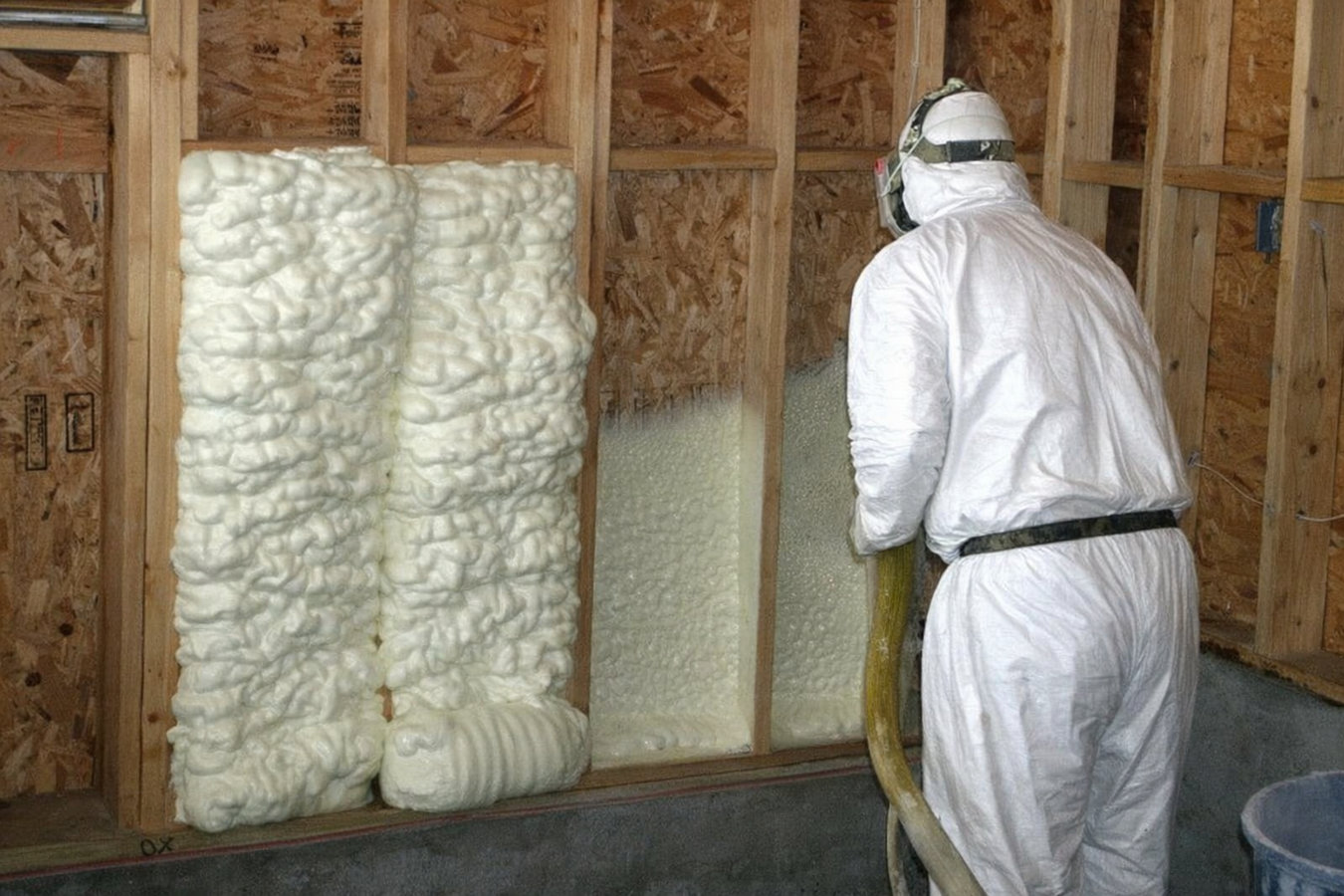
Open-cell foam expands to fill the gaps and cracks that other insulation misses, sealing your home against West Texas heat and wind so your AC runs less and every room stays comfortable.
Open-cell foam insulation in Abilene seals air leaks and fills irregular cavities in attics, interior walls, and crawl spaces by expanding up to 100 times its original volume when sprayed. Most residential jobs are completed in one to two days, and the impact on home comfort is typically noticeable within the first billing cycle.
Unlike fiberglass batts, which sit between studs but leave gaps around pipes, wires, and framing, open-cell foam bonds to the surface and expands to fill every irregular space. That air-sealing quality makes it especially effective in Abilene homes built before 1980, where decades of settling have opened up entry points that batts simply cannot address. Many homeowners also pair it with attic air sealing for a complete treatment of every pathway heat and air use to move through the home.
Abilene's persistent West Texas winds also make air sealing more valuable here than in calmer climates. Wind pressure builds against your home's exterior and pushes outside air through gaps that would otherwise seem harmless. Open-cell foam closes those pathways from the inside and stays in place permanently.
If your electric bill climbs dramatically from May through September and your AC seems to run almost constantly, your home is likely losing conditioned air through gaps in the insulation envelope. In Abilene, where temperatures stay above 90 degrees for weeks at a time, a poorly sealed attic or wall cavity is one of the most common causes of runaway summer bills. This is an insulation and air-sealing problem, not a thermostat problem.
If a bedroom, bonus room, or any room with an exterior wall stays noticeably warmer than the rest of the house in summer, it likely has inadequate insulation or significant air leaks. In older Abilene homes, wall insulation was often applied inconsistently or not at all in certain areas. A room your AC cannot cool down is a clear signal worth investigating.
Hold your hand near an outlet or switch plate on an outside wall on a windy Abilene day. If you feel air movement, outside air is finding its way through the wall cavity into your living space. This is exactly the kind of gap that open-cell foam seals permanently, and in West Texas wind conditions, it is more common than most homeowners expect.
Rapid dust accumulation near air vents, along baseboards, or around window and door frames often means your home is pulling in outside air through gaps in the building envelope. That air carries dust, pollen, and allergens. In Abilene, where spring winds carry significant particulates, a well-sealed home makes a noticeable difference in indoor air quality and how often you are cleaning.
We install open-cell foam in attics, interior walls, and any space where air sealing is the primary goal. The foam expands on contact to fill the irregular cavities that are especially common in older Abilene homes, then cures into a stable, flexible barrier that does not settle or sag over time. For homeowners who want to understand all available options, spray foam insulation covers the full range of foam types and applications we handle.
When a space requires both thermal performance and moisture resistance, such as a crawl space wall or an exterior application, we install attic air sealing or recommend closed-cell foam instead. Every job starts with an honest assessment so you get the right material for your specific space, not a one-size solution. We explain the trade-offs clearly and let you decide.
Open-cell foam is stable and bonds permanently to framing and substrate. You will not need to re-insulate or top it off the way you might with blown-in cellulose or fiberglass batts. That longevity is one reason the upfront cost tends to make sense over time for Abilene homeowners who plan to stay in their homes.
Best for attic floors and rafters where air sealing and sound dampening matter most and moisture is not a concern.
Suited for exterior-facing wall cavities in older homes where batt insulation has settled or was never fully installed.
For homes where conditioned air escapes at the junction between the foundation wall and the floor framing.
For homes where gaps around recessed lights, plumbing pipes, and attic access points are driving comfort and energy loss.
Abilene sits in West Texas and regularly sees summer highs above 100 degrees, with the National Weather Service recording average July highs around 97 to 99 degrees. That sustained heat puts enormous pressure on your air conditioner, and any gap in your home's insulation envelope means your AC is fighting a losing battle. Open-cell foam's ability to seal air leaks, not just slow heat transfer through solid surfaces, is what makes it especially effective here. The biggest energy drain in a hot climate is conditioned air escaping, and foam addresses that directly.
A large share of Abilene's neighborhoods, including older areas near Elmwood, North 10th Street, and the historic districts near downtown, were built between the 1940s and 1970s. Those homes were built with little or no wall insulation and minimal attic coverage by today's standards. If your home was built before 1980 and has never had insulation work done, there is a good chance you are losing a meaningful amount of conditioned air every single day in summer.
We serve homeowners across Abilene, Midland, and Lubbock with the same standards on every job. AEP Texas, the primary electric utility serving Abilene, has historically offered energy efficiency rebate programs for qualifying insulation upgrades. It is worth confirming current availability before work begins, and a contractor who works regularly in Abilene should be familiar with what is on offer.
Call or submit a request online. We respond within 1 business day and ask about your home's age, the areas you want insulated, and any comfort problems you have noticed. This helps us show up prepared and give you a more accurate estimate.
We walk the space in person, check existing insulation, look for moisture issues, and identify the gaps that matter most. This visit is free and takes about 30 to 45 minutes. No quote is offered without looking first.
You receive a written estimate covering foam type, thickness, scope, total cost, and permit responsibilities. We will also flag any current AEP Texas rebates that may apply. Take your time reviewing it before deciding.
The crew masks off surfaces, applies foam in controlled passes to the specified thickness, and confirms your re-entry time in writing before leaving. We walk you through the finished work so you can see the coverage directly.
Free on-site estimate. No pressure. We reply within 1 business day.
(325) 283-1586Most of Abilene's housing stock predates modern energy codes, and we have insulated hundreds of these brick ranch-style homes. We know exactly where the gaps accumulate in these houses and what it takes to seal them correctly the first time.
We work in the same heat, wind, and dust our customers live in every day. That firsthand knowledge shapes how we assess a home and which materials we recommend. Conditions in Abilene are different from Houston or Dallas, and our work reflects that.
We cover Abilene and 11 surrounding communities, which means we are not a distant crew showing up for a one-time job. We have a local reputation to maintain and we stand behind every installation. References from nearby jobs are available on request.
Spray foam requires a curing period before your home is safe to occupy, and we put the re-entry time in writing before we start. You know exactly when to return, not sometime tomorrow. The Spray Polyurethane Foam Alliance sets standards for safe installation that we follow on every job.
Every proof point above comes from the same source: doing this work in Abilene long enough to know what the climate demands and what homeowners actually need. If you want references, we will provide them. If you have questions about our installation process, ask before you sign anything.
Plug the gaps in your attic floor that let superheated attic air work its way down into your living space.
Learn moreExplore the full range of spray foam options, including closed-cell applications for moisture-sensitive spaces.
Learn moreAbilene summers are coming. Lock in your installation date now before the busy season fills the schedule.