
Loading...
Serving Abilene, TX and surrounding areas. (325) 283-1586
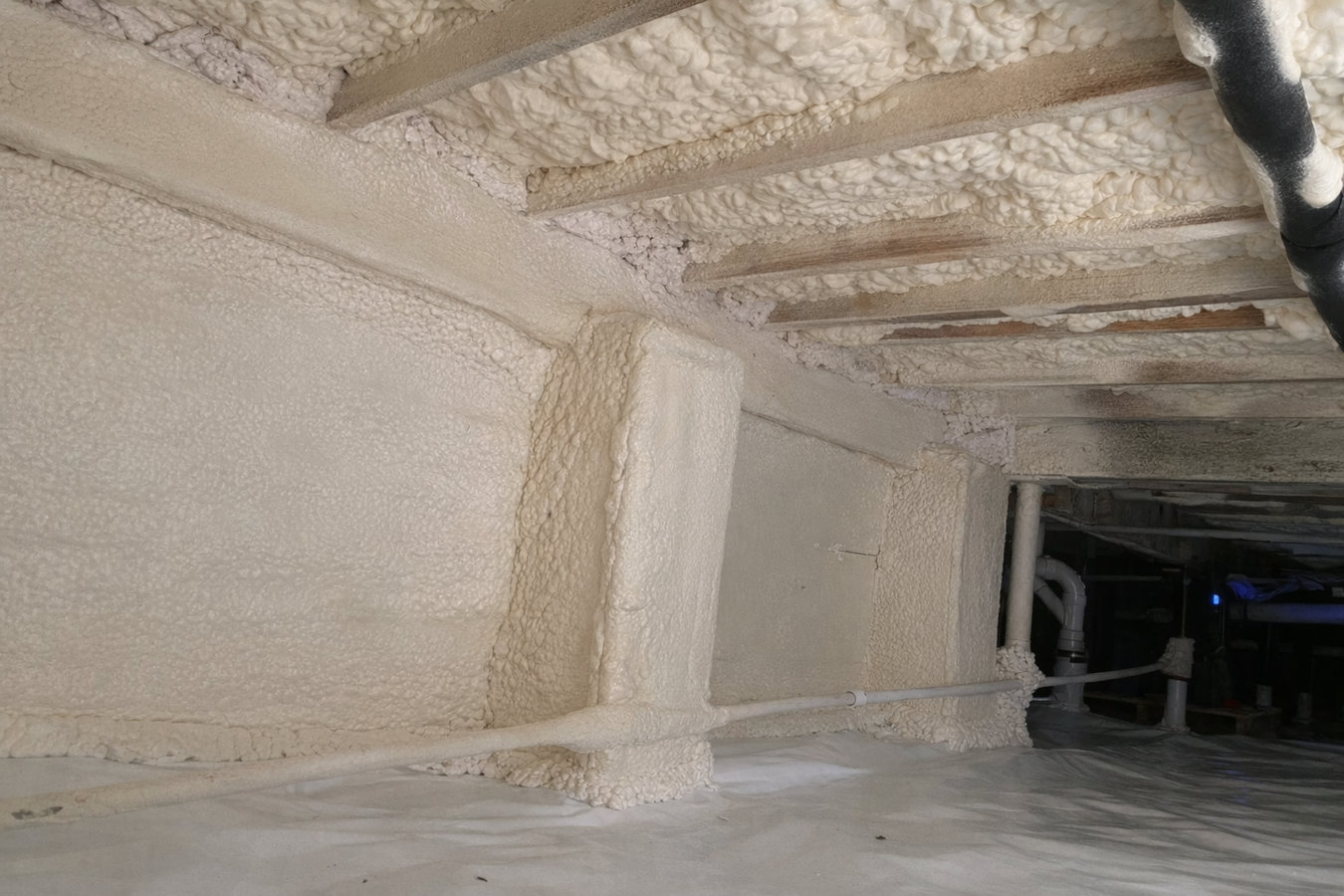
A poorly insulated crawl space lets heat push up through your floors all summer and lets cold seep in all winter. We fix that with insulation and moisture control built for West Texas conditions.
Crawl space insulation in Abilene creates a thermal barrier between the ground and your living area, keeping floors comfortable and reducing how hard your HVAC system works year-round. Most straightforward jobs in a clean, accessible crawl space are completed in one day, including vapor barrier installation.
The crawl space is one of the most overlooked parts of a home's thermal envelope, and it is also one of the easiest to improve. In Abilene, where the cooling season runs from May through September and winter cold snaps can be sharp, the crawl space is a direct pathway for outside conditions to reach your living areas. Many homeowners first notice the problem through cold floors in January or rooms that never quite cool down in July. Pairing crawl space work with a crawl space vapor barrier addresses both the thermal and moisture sides of the problem at the same time.
Moisture control is not an optional add-on here. A crawl space that stays damp will destroy insulation over time, mold grows, materials sag, and the energy savings disappear. We check for standing water, condensation, and drainage issues before installing anything, because insulating over a moisture problem is money wasted.
If you walk barefoot across your floors in January and they feel cold even with the heat running, or if certain rooms feel stuffy and hot in July no matter how long the AC runs, your crawl space insulation is likely failing or missing entirely. This is one of the most common complaints from homeowners in older Abilene neighborhoods, where original insulation has had decades to sag, compress, or fall away from the floor joists.
If your electric bill has been climbing over the past few years and you have not added appliances or changed your habits, heat loss or gain through the crawl space could be the reason. Abilene's summer cooling season runs from May through September, so even a modest improvement in crawl space insulation can show up as real savings on your bill.
A damp or musty smell coming from floor vents, baseboards, or low areas of your home is a warning sign that moisture is getting into the crawl space. In Abilene, this often happens after heavy spring rains when water pools under the home. Left alone, that moisture damages insulation, encourages mold, and can affect the wood structure above.
Homes built in Abilene before 1980 were typically constructed under older building standards that allowed for much less insulation than is recommended today. If you have owned the home for years and no one has ever mentioned the crawl space, there is a reasonable chance it is underinsulated or that the original materials have broken down. A quick inspection will tell you exactly what you are working with.
We install fiberglass batts between floor joists, rigid foam on crawl space walls, and spray foam for tight spaces where other materials are difficult to fit. Each job starts with a physical inspection of the space to assess existing insulation, check moisture conditions, and confirm which approach is right for how your crawl space is set up. We do not recommend the same solution for every home.
For homes where the crawl space is vented and prone to moisture, a crawl space vapor barrier is installed as part of the job. The barrier covers the ground and keeps soil moisture from rising into the insulation and floor structure above. Skipping it to save money almost always results in a callback, and we do not take shortcuts that create future problems. The EPA's guidance on moisture control is clear that managing moisture is the foundation of effective crawl space work.
For homes that need a more complete solution, we also offer full crawl space encapsulation, which seals the entire space and treats it as part of the home's conditioned area. This is more involved and costs more, but it is the right call for crawl spaces with persistent moisture or air infiltration problems. We explain the difference clearly and let you decide.
Best for vented crawl spaces where insulation between the joists is missing or degraded.
Suited for homes with persistent moisture issues or where full air sealing beneath the floor is the goal.
For any vented crawl space where soil moisture is getting into the insulation and floor structure above.
For tight or irregular spaces where batts or board insulation cannot be installed snugly.
Abilene's temperature swings put crawl spaces under real stress. The city regularly sees summer highs above 100 degrees and winter lows that dip into the teens. That 80-to-100-degree range between seasons means your crawl space insulation has to work hard in both directions. The clay-heavy soils common in the Abilene area also expand and contract with the seasons, which can open small gaps around foundation walls and pier footings over time. Those gaps become pathways for outside air, and in summer that means hot, dusty West Texas air pushing up through your floors.
A significant share of Abilene's residential neighborhoods, including areas around South 14th Street, the Elmwood district, and older sections near downtown, were built in the 1950s through 1970s. Homes from that era were often built with minimal crawl space insulation, or none at all. Whatever was installed has likely degraded over decades. We serve homeowners throughout Abilene, Brownwood, and Stephenville, where older housing stock and similar soil conditions create the same crawl space challenges.
Abilene averages only about 23 inches of rain per year, so many homeowners assume moisture is not a crawl space concern here. But the city gets intense, short-duration rainstorms in spring, and the clay soil does not drain quickly. Water can pool under a home fast and stay there. A vapor barrier installed as part of the insulation job is your main defense against these events. The U.S. Department of Energy's crawl space guidance reinforces that moisture control is not optional in any climate, including dry ones.
Reach out by phone or form and we respond within 1 business day. We will ask your address, the approximate age of your home, and whether you have noticed any specific problems like cold floors or high bills. That helps us come prepared with the right equipment.
A technician physically inspects the crawl space, checks existing insulation, looks for moisture, and measures the space. This takes about 30 to 60 minutes. We also confirm upfront whether your project requires a permit from the City of Abilene. The inspection is free.
You receive a written estimate breaking down labor and materials. If a permit is required, we handle the application on your behalf. That is standard practice, and something to confirm before signing anything. No cost surprises after the quote is accepted.
The crew works entirely from outside or through the access hatch. Your daily routine stays mostly intact. Old insulation is removed first if needed, then the vapor barrier goes down, followed by new insulation. Most jobs are completed in one day.
No obligation, no pressure. We inspect, explain what we find, and give you a clear written quote. We respond within 1 business day.
(325) 283-1586Every estimate comes after a physical inspection of the crawl space. We do not give prices over the phone without seeing the space. That means the quote you receive reflects what is actually there, not a best guess that changes on the day of the job.
In Abilene's climate, a vapor barrier is part of a complete crawl space job, not an upsell. We install it as standard practice on every vented crawl space because we know what happens to insulation when the soil moisture is not controlled.
Some projects require a permit through the City of Abilene Development Services department. We check this upfront, pull the permit when one is needed, and coordinate the inspection. You receive the paperwork so the job is documented for a future sale or your own records.
Our crew has worked crawl spaces on homes across Abilene and Taylor County, so we know what the clay soil and seasonal moisture do down there. We document every job and walk you through what we found. That local experience is what keeps the work holding up.
These four points reflect how we work on every job, not just how we market ourselves. Homeowners across Abilene and Taylor County keep calling us back because the work holds up and the process is straightforward from the first phone call to the final walkthrough. You get a written record of everything we do on your crawl space.
Insulate exterior walls in your Abilene home to stop heat transfer at every surface, not just through the floor.
Learn moreAdd a heavy-duty moisture barrier to the crawl space floor so soil moisture cannot reach your insulation or floor structure.
Learn moreAbilene's summer cooling season starts early. Get your crawl space insulated before the heat arrives so your home is ready when it counts. Call or send us a message now.