Loading...
Serving Abilene, TX and surrounding areas. (325) 283-1586
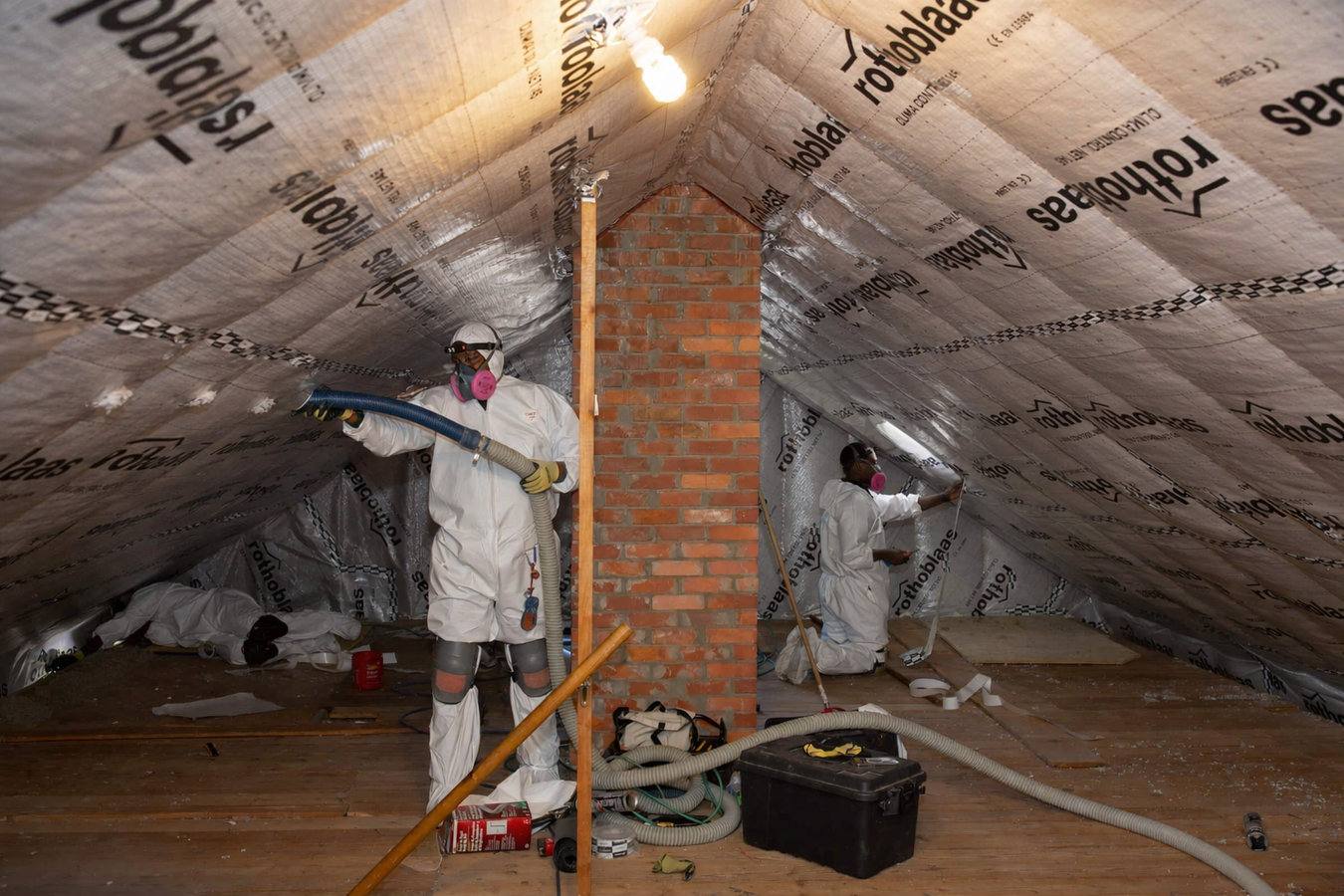
Gaps in your attic floor let summer heat pour directly into your home. Sealing those openings keeps conditioned air where it belongs, cuts cooling costs, and makes every room more comfortable.
Attic air sealing in Abilene means finding and plugging the gaps, cracks, and holes in your attic floor that let conditioned air escape and hot outside air sneak in. Most single-story homes take two to six hours to seal, the crew works entirely in the attic, and you do not need to leave the house while the work is done.
Adding insulation without sealing air leaks first is like putting a thick blanket over a window that is cracked open. The blanket helps, but the draft still gets through. Sealing first, then insulating, is the order professionals recommend because it addresses the root cause of both comfort and energy loss. Many homeowners pair attic sealing with whole-home air sealing services to address every pathway, not just the attic floor.
In Abilene, the value of attic air sealing is especially clear. Attic temperatures here can reach 140 to 160 degrees on a hot summer afternoon. Every gap in that attic floor is a direct path for that superheated air to work its way into your living space and force your air conditioner to run harder and longer.
If your cooling costs in June, July, and August feel out of proportion to what your home should use, air leaking through your attic floor is a likely cause. Abilene's intense summer heat means even a moderate amount of air leakage puts a heavy load on your air conditioner. If your system seems to run almost constantly on hot days without catching up, that is a strong signal that conditioned air is escaping faster than your system can replace it.
If one or two rooms, often those directly beneath the roofline, stay stuffy and warm no matter how long the AC runs, hot attic air is likely finding its way in through gaps in the ceiling above those rooms. This is especially common in Abilene homes built before the 1980s, where the attic floor was rarely sealed during original construction. Fixing the leaks in the attic gives your system a real chance to cool every room evenly.
Abilene's frequent wind events push fine dust through any opening in your home's envelope, including gaps in the attic floor. If you find yourself dusting more than seems reasonable, or if dust reappears quickly after cleaning, outside air is likely entering through the attic. A sealed attic dramatically reduces the amount of dusty outside air that gets pulled into your living space when the AC runs.
Open your attic hatch on a summer afternoon and notice what happens. If a rush of hot air pours out, or if you can see light coming through gaps around pipes or wires where they enter the attic floor, those are visible signs of the leaks that are costing you money every day. You do not need special equipment to spot them, just a flashlight and a few minutes.
We work systematically across the attic floor, sealing every gap we find around light fixtures, plumbing pipes, wiring penetrations, and the tops of interior walls. For smaller gaps, we use foam and caulk. For larger openings around chimneys or big chases, we use rigid foam board or sheet metal. Nothing gets missed because we move methodically from one end of the attic to the other before calling the job done.
For homeowners who want to address the full air sealing picture across the entire home, not just the attic, air sealing services covers every zone. And if your attic insulation is thin or missing alongside the air leaks, crawl space vapor barrier work is often scheduled at the same time for homes that need moisture control below the floor as well.
There is no curing time or re-entry waiting period after attic air sealing. The sealants are dry within hours and your home is fully usable the same day. A written summary of the work completed, including every penetration addressed, is provided before the crew leaves.
For homes where gaps around pipes, wires, and fixtures in the attic floor are the primary source of heat and air loss.
For older homes where the tops of interior walls are open to the attic, creating large air pathways into the living space.
For homes with recessed lights in ceilings directly below the attic, which are common sources of significant air leakage.
For homes where the attic access point and nearby chases are adding meaningful air leakage that ongoing insulation cannot address alone.
Abilene regularly sees summer highs above 100 degrees, and attic temperatures during those months can reach 140 to 160 degrees. Every gap in your attic floor is a direct path for that superheated air to work its way into your living space, forcing your air conditioner to work harder and longer. Sealing those gaps is one of the most cost-effective ways to keep your home cooler without upgrading your HVAC system. The U.S. Department of Energy identifies air sealing as one of the highest-return improvements a homeowner can make.
A significant portion of Abilene's neighborhoods, particularly areas like North 6th Street, Elmwood, and older subdivisions near downtown, were built in the 1950s through 1970s. Homes from that era were not built with air sealing in mind, and decades of settling, remodeling, and pest activity have opened up gaps that did not exist when the house was new. If your home is more than 40 years old, there is a very good chance your attic has more air leaks than you would expect.
Abilene also sits in a region of West Texas known for frequent high-wind events, especially in spring. When wind pressure builds against your home, it forces outside air through any gap it can find, including attic penetrations. We serve homeowners throughout Abilene, Wichita Falls, and Stephenville with the same attention to detail on every job.
We respond within 1 business day. We will ask about your home's age, rough square footage, and any comfort or energy problems you have noticed. This helps us show up with the right materials and give you a realistic estimate.
A technician goes into your attic with a flashlight and checks what is already there, how much insulation you have, and where the obvious gaps are. This visit is free and takes about 20 to 45 minutes. A good contractor will walk you through what they found before giving you a quote.
The crew works entirely in the attic. You can go about your normal day while they seal every penetration they find. There is no need to leave the house, no chemicals off-gassing into living spaces, and the noise level is minimal.
The crew cleans up and restores the attic access hatch before leaving. You receive a written summary of every gap addressed. If you plan to claim a federal energy efficiency tax credit, keep the invoice as documentation when you file.
Free on-site estimate. No obligation. We reply within 1 business day.
(325) 283-1586We cover Abilene and 11 surrounding areas, which means we are not a distant crew parachuting in for one job. We have worked on homes from Brownwood to Lubbock and know what older West Texas housing stock looks like from the inside of an attic.
Sealing an attic floor without fixing leaky ducts first can make duct problems worse. We assess your attic thoroughly, including any visible ductwork, before any sealant goes on. Homeowners in Abilene's older neighborhoods often find disconnected or degraded ductwork we catch early.
You receive documentation of what was found and fixed before the crew leaves. This matters for federal tax credit filings and gives you a clear record if you ever need to verify the work was done. We do not hand you a receipt and drive away.
You get a free written estimate that spells out the scope and the price before we start. Nothing gets sealed until you have reviewed the plan and signed off. A straightforward contractor puts the numbers in writing without hesitation.
Attic air sealing is one of the highest-return investments an Abilene homeowner can make before summer arrives. The work takes a few hours, the results are immediate, and the documentation we provide protects your investment. Call or submit a request and we will be back to you within one business day.
Control moisture below your floor while addressing air leaks from the bottom of your home up.
Learn moreExtend the same systematic sealing approach to every zone in your home, not just the attic floor.
Learn moreSchedule your attic air sealing now, before the busy season fills the calendar and before the heat arrives.