Loading...
Serving Abilene, TX and surrounding areas. (325) 283-1586
West Texas heat finds every gap in your home. Closed-cell spray foam seals and insulates in one step, stops moisture at the wall, and stays in place for the life of the structure.
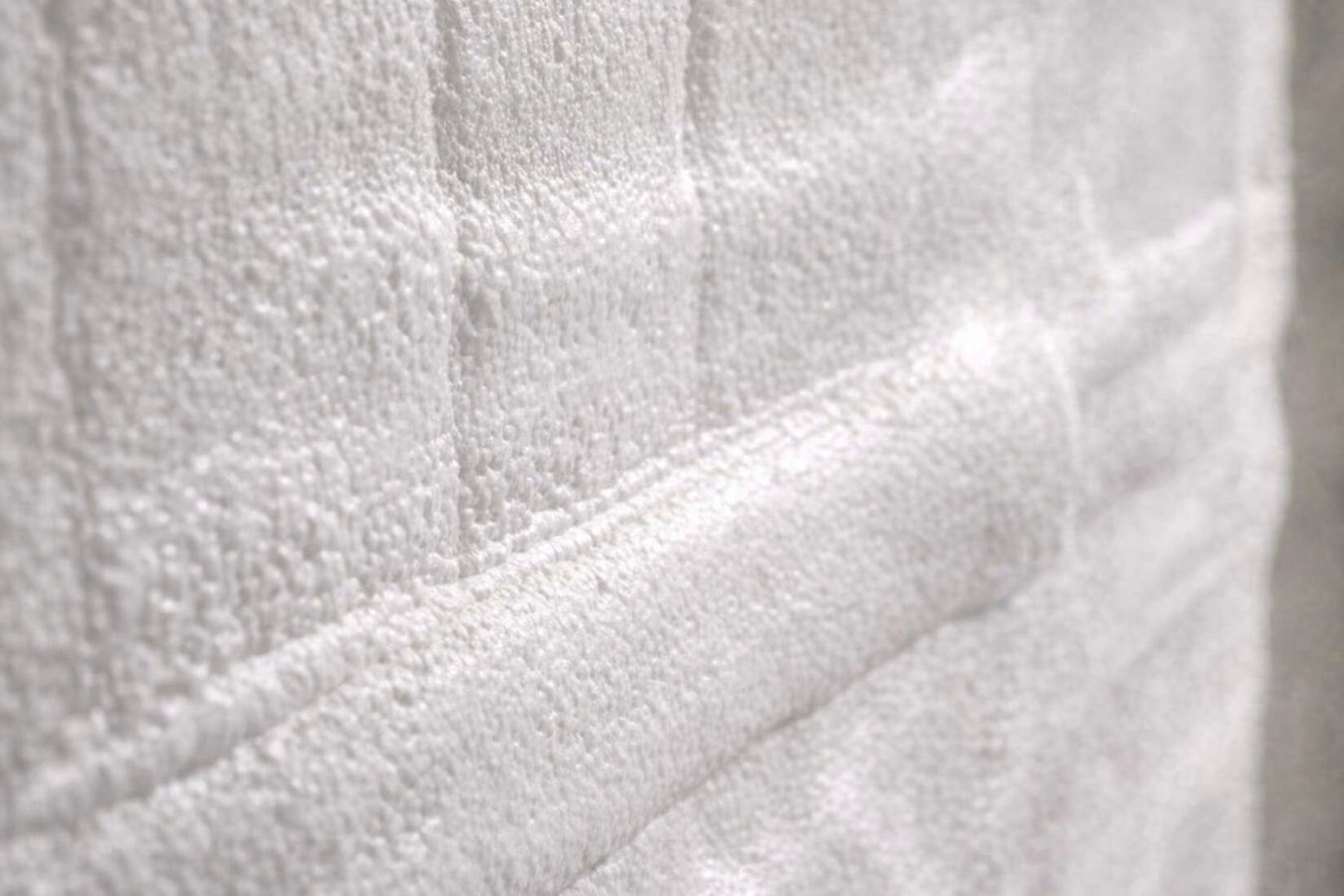
Closed-cell foam insulation in Abilene seals air gaps and insulates in a single application, creating a dense, rigid barrier that air and moisture cannot pass through. Most attic or crawl space jobs are completed in one day, and homeowners typically notice a difference in comfort within the first week.
Unlike fiberglass batts or blown-in material, closed-cell foam bonds to the surface and hardens into a layer that does not sag, settle, or compress over time. That permanence is one reason it is often preferred for crawl spaces, basement walls, and rim joists, where both heat loss and moisture are ongoing concerns. Many homeowners in Abilene pair it with a full spray foam insulation treatment to address the attic, walls, and foundation areas in one project.
The air-sealing effect is particularly valuable here. Abilene sits in a region of West Texas known for persistent wind, and wind-driven air infiltration pushes outside air through gaps that insulation alone cannot stop. Closed-cell foam fills and hardens into those gaps rather than just sitting in a cavity the way batt insulation does.
If your bill climbs sharply from June through September and feels out of proportion to how much you are actually running the air conditioner, your home may be losing conditioned air faster than your system can replace it. In Abilene, where summer temperatures regularly exceed 100 degrees, a poorly insulated home forces your AC to run almost continuously. If your neighbors in similar-sized homes are paying noticeably less, that is worth investigating.
Fine dust accumulating around electrical outlets on exterior walls, along baseboards, or at the edges of window frames is a sign that outside air is being pushed through gaps in your home's shell. In Abilene, where spring and fall winds can be strong and persistent, this kind of air infiltration is common in homes that lack proper air sealing. That same air pathway lets heat in during summer and cold in during winter.
If one bedroom is always stuffy in summer or one corner of the house stays cold in winter regardless of what the thermostat says, insulation coverage is uneven. Older Abilene homes from the 1950s and 1960s were often insulated inconsistently, with some areas receiving more attention than others. A room that never quite reaches your set temperature is a room that is probably losing conditioned air through the walls or ceiling.
If your home sits on a pier-and-beam foundation and the crawl space has never been insulated or sealed, you are likely losing a significant amount of conditioned air through the floor. Crawl spaces in West Texas reach extreme temperatures in summer, and that heat radiates upward into your living space. Floors that feel warm in summer or cold in winter are a common symptom.
We install closed-cell spray foam in attics, crawl spaces, exterior wall cavities, rim joists, and basement walls throughout the Abilene area. For most West Texas homes, the attic is the highest priority since that is where heat gain is most intense in summer. Crawl spaces run a close second, particularly for homes on pier-and-beam foundations where the floor is the direct boundary between outside conditions and your living space.
We also offer open-cell foam insulation for applications where moisture resistance is less of a concern and sound dampening or a lower per-square-foot cost is the priority. A good contractor helps you choose the right product for each part of your home rather than defaulting to one option everywhere.
Every job begins with a free on-site assessment. We measure the space, check for moisture conditions and existing insulation, and confirm the right thickness target before recommending a scope of work. No written quote is issued without seeing your home first.
For homes where the attic is the main source of heat gain and air loss, especially older Abilene homes with thin or settled existing insulation.
Suited for pier-and-beam homes where moisture and heat enter through the floor, combining thermal and vapor barrier functions in one application.
Targets the gap between the foundation and the first floor framing, one of the most common and overlooked air-leak locations in West Texas homes.
For renovation projects or new additions where exterior wall cavities are accessible and both insulation and moisture resistance are needed.
Abilene regularly sees summer temperatures above 100 degrees and winter lows that can dip below 20 degrees. That 80-plus-degree swing puts enormous, sustained pressure on your home's thermal envelope. Closed-cell foam's combination of high R-value per inch and air-sealing capability makes it one of the most effective tools available for managing that pressure, particularly in older homes where gaps have accumulated over decades.
A large share of Abilene's housing stock, including neighborhoods around Hardin-Simmons University, the North 10th Street corridor, and Elmwood, was built between the 1950s and 1970s. Homes from that era have minimal insulation in the walls and little to none in crawl spaces. West Texas wind compounds the problem by driving outside air through gaps that would be inconsequential in a calmer climate. Closed-cell foam fills those gaps permanently, which is why homeowners in these neighborhoods often report the most dramatic improvement in comfort after installation.
We serve homeowners in Abilene, Midland, and Odessa with the same standards and materials on every job. The Spray Polyurethane Foam Alliance and the EPA's guidance on spray foam installation are both useful resources if you want to understand material standards and safe re-entry practices before we meet.
Reach out by phone or through our contact form. We respond within 1 business day and ask a few questions about the area you want insulated and whether any prior insulation work has been done, so we arrive prepared.
We walk through the space, take measurements, check for moisture conditions or existing insulation, and identify any access challenges. This visit takes 30 to 60 minutes and is free. No quote is given without seeing the space first.
After the assessment, you receive a written estimate covering scope, foam type, thickness, re-entry plan, and total cost. Take your time reviewing it. We do not pressure anyone to sign on the spot.
On installation day, the crew masks off surfaces, applies the foam in passes to the correct thickness, and gives you a specific re-entry time, typically four to six hours. We walk you through the finished work before leaving so you can see the coverage.
Free on-site assessment. Written estimate before any work starts. No obligation, no sales pitch.
(325) 283-1586Closed-cell foam only performs as advertised when it is applied at the right thickness throughout. We confirm target R-values for Abilene's climate zone before every job and verify coverage before anything gets closed up. Thin spots are the most common cause of disappointing results, and we do not leave until the numbers are right.
We have worked on homes across Abilene and the surrounding region since 2022, which means we know the older housing stock, the clay soil conditions, and the wind patterns that make proper air sealing non-negotiable here. That local experience shapes every job recommendation we make.
The U.S. EPA publishes specific guidance on re-entry times and ventilation requirements for spray foam installation. We follow those guidelines on every project, not just when asked. Your family and pets come back to a safe home, on a clear timeline we give you before we start.
We pull any required permits before work begins, not as an afterthought, and document the job from start to finish. Permitted, inspected work protects your home's value and gives you a clear record if questions arise later.
Every one of those points reflects the same standard: you should be able to see the finished work, understand what was done and why, and trust that it will hold up against whatever West Texas weather brings next. That is what we show up to deliver on every job.
A softer, lower-cost spray foam option well suited for interior attic floors and interior walls where moisture resistance is less of a concern.
Learn moreOur full spray foam service covers attics, crawl spaces, and wall cavities with the right foam type chosen for each location in your home.
Learn moreClosed-cell foam is a one-time installation that lasts the life of the structure. A free estimate today means you are ready before the heat arrives.