Loading...
Serving Abilene, TX and surrounding areas(325) 283-1586
Abilene Insulation Company provides insulation contractor services throughout Merkel, TX, specializing in wall insulation, blown-in attic upgrades, and air sealing for Taylor County homes. Our Abilene shop is 17 miles east on I-20 — close enough to reach most Merkel jobs the same morning you call. Every installation is TDLR-documented, and we respond to all Merkel inquiries within one business day.
Matched to Taylor County's building stock, climate, and property types along the I-20 corridor.
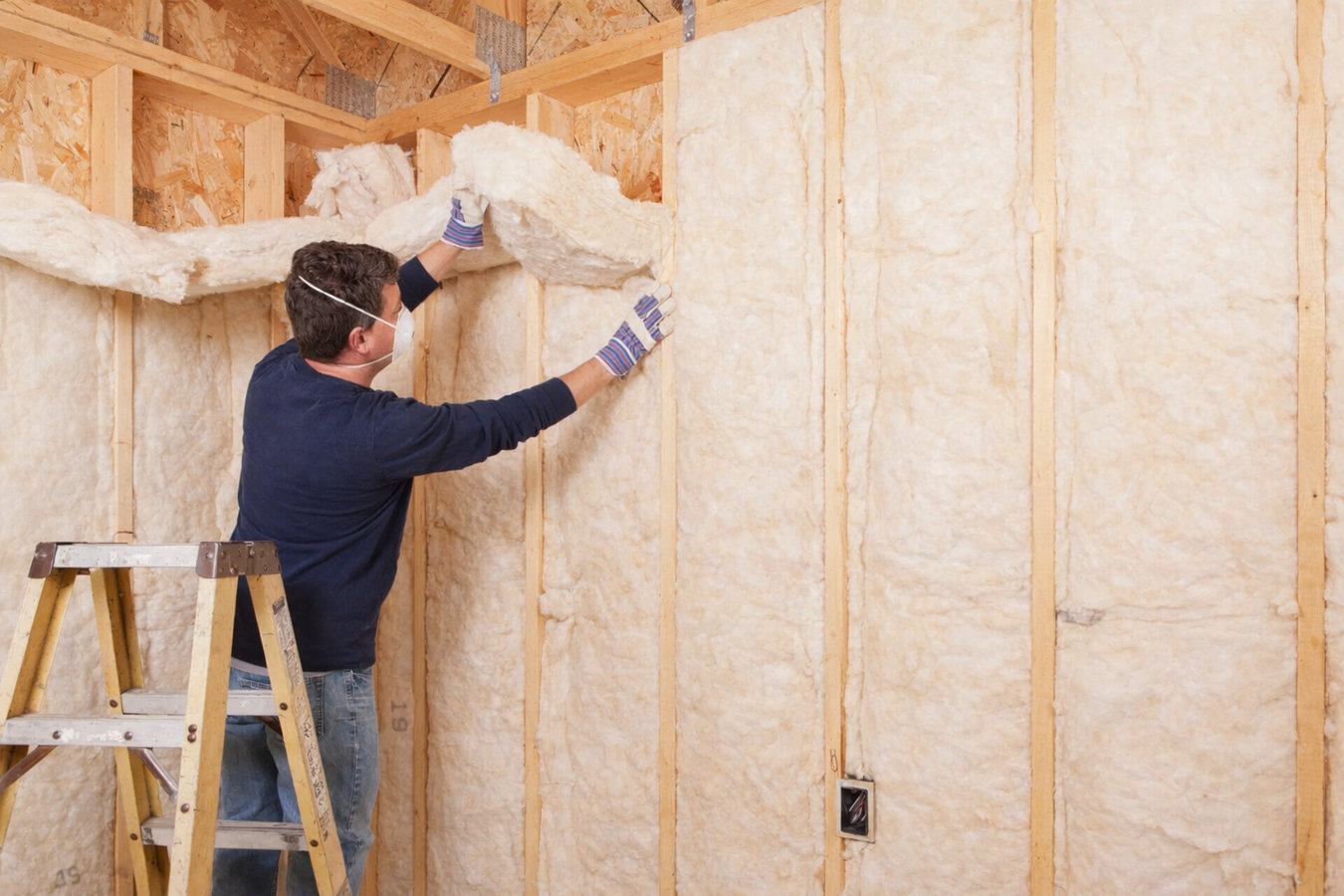
Merkel's open position on the West Texas plains means sustained winds off the rolling terrain push air through every gap in an aging wall cavity. For homes built before Taylor County adopted modern energy standards, wall cavities are often empty or hold thin original batts that have compressed over decades. Dense-pack blown-in cellulose fills those cavities completely through small drilled holes, no drywall removal needed. When hail forces re-siding — a recurring reality in this part of West Texas — it is also the ideal moment to add continuous rigid insulation behind the new cladding for a meaningful R-value gain with no extra disruption.
Many Merkel attics have insulation that has settled, shifted, or was never brought up to the R-38 minimum that IECC Climate Zone 2 requires for new construction today. Blown-in cellulose or fiberglass adds depth over existing material without disturbing the ceiling below, reaches tight spots near eaves, and installs in a single day. For a small West Texas community where most households are owner-occupied and long-term, an attic top-off is one of the fastest ways to cut summer cooling costs.
Closed-cell spray foam bonds directly to framing and sheathing, sealing air infiltration pathways that batts and blown-in material cannot stop. For Merkel homes with ductwork sitting in a hot attic, a conditioned-attic spray foam conversion pulls that equipment inside the thermal envelope — so the air your system cools reaches the rooms instead of bleeding off through duct walls baking at 150°F. Open-cell foam in wall cavities works well where budget is the priority and airtight performance is the goal.
Adding insulation over an unsealed ceiling plane captures only part of the available benefit, because conditioned air still escapes through top-plate gaps, penetrations around plumbing, and recessed light cans. In Merkel, where West Texas winds create near-constant pressure on the building envelope, those pathways are under continuous stress. Sealing them first — before blown-in insulation goes in — is what makes the difference between an upgrade that performs on paper and one you actually feel in your energy bills.
Merkel's summer highs regularly push above 100°F, which means attic temperatures on peak days can reach 150°F or more. At those temperatures, whatever insulation separates that air mass from your living space is working harder than it was ever designed to. Reaching R-38 or better at the attic floor — the current code minimum for this climate zone — is the single most impactful thermal upgrade available to most Merkel homeowners, and it pays back through every summer and winter cold front that follows.
Merkel sits on flat Taylor County terrain with no natural windbreak between it and the open plains stretching west toward the Permian Basin. The town traces its roots to 1881 when the Texas and Pacific Railway platted it, and much of the existing housing stock reflects that long history — single-story frame construction, pier-and-beam foundations, and wall assemblies that were built before any mandatory insulation standard applied in Texas. That pre-2001 construction reality means a large share of Merkel homes are carrying wall cavities that are either empty or hold degraded batts that have compressed well below their original R-value.
IECC Climate Zone 2 covers Merkel, which is among the most demanding thermal designations in the continental United States. Summer highs above 100°F are routine from June through August, and winter cold fronts push overnight lows into the upper teens and low 20s. That dual thermal load means wall insulation has to earn its keep in both directions: slowing heat gain through south- and west-facing walls during peak summer, and holding interior heat in during the sharp cold snaps that roll through Taylor County each winter.
The caliche subsoil common across Taylor County is extremely dry through most of the year, but intense spring thunderstorms can briefly saturate grade-level soil and drive moisture toward sill plates and the base of wall assemblies — particularly in older pier-and-beam homes. An insulation assessment in Merkel has to account for that moisture interface at the floor-wall junction, not just the thermal performance of the wall cavity itself.
Merkel's economy has long been anchored by agriculture, oil-related work, and proximity to Dyess Air Force Base in Abilene. Most households are practical, working-class homeowners who want durable improvements with a clear return — not luxury upgrades. Wall insulation and attic top-offs deliver exactly that: lower energy bills, more consistent indoor temperatures, and a documented upgrade that adds to the home's value without requiring a renovation budget.
We pull permit paperwork for applicable Merkel projects through the City of Merkel, which processes building permits on its own timeline separate from Taylor County's process. In practice, most of the retrofit insulation we do in Merkel — dense-pack wall fills on the frame homes in the established residential streets south of downtown, and attic top-offs on properties near Merkel High School — fall under minor alteration pathways rather than full permits. The older homes in Merkel's core residential area tend to have low attic pitches with tight eave clearance, which requires the right nozzle selection and patience; this is not the kind of job where a crew unfamiliar with Taylor County's pre-war construction can rush.
Getting around Merkel means knowing your way off I-20. Most residential properties we service are accessed from the surface streets running north and south off the highway, with some rural lots on county roads west of town toward Abilene. The Merkel Area Historical Museum on N. 7th Street is the town's most recognizable local institution, and the surrounding blocks represent the kind of mid-century frame stock that most benefits from a wall insulation retrofit — homes that have never had their cavities touched since original construction.
We also regularly serve homeowners in Sweetwater to the west along I-20, where many of the same pre-code housing conditions and wind exposure challenges apply. The I-20 corridor between Merkel and Sweetwater is straightforward driving, and scheduling jobs across both communities on the same route is common for us.
Reach us by phone or through the online form. We respond to Merkel area inquiries within one business day — same day for calls during business hours. Because we run I-20 regularly, we can often fit a Merkel assessment visit into an existing route without a long wait.
A crew member visits, checks attic depth and condition, measures wall cavities where access allows, and looks for obvious air infiltration points at sill plates and top plates. You receive a written estimate with specific R-value targets and material recommendations. The visit is free with no obligation to proceed.
Price is confirmed in writing before any work starts. If the project requires a City of Merkel building permit, we handle the submission. Most Taylor County residential jobs are scheduled within the same week as the estimate visit, and we work around your schedule.
After installation, a TDLR-required certificate is posted identifying the material, manufacturer, installed thickness, and R-value achieved. That paperwork satisfies inspection requirements and gives you a documented record for tax credit purposes and any future home sale.
We respond to Merkel and Taylor County inquiries within one business day. The on-site estimate is free and carries no obligation. After you reach out, we confirm a visit time, inspect the home, and provide a written quote before any work begins.
(325) 283-1586Merkel is a Taylor County city of about 2,471 residents, sitting 17 miles west of Abilene directly on Interstate 20. The town was founded in 1881 when the Texas and Pacific Railway extended westward through what is now Taylor County. Early settlers knew the place as "Windmill Town" before it was formally named and platted, a nickname that speaks to the open, wind-swept character of the surrounding plains that still defines life here. Merkel served as a key shipping point for the agricultural region around it, and the cotton and grain farming that sustained the county's economy for generations remains part of the local landscape today.
The town is part of the Abilene metropolitan statistical area and functions as a bedroom community for households that work in Abilene while choosing to live in a smaller, quieter community along the I-20 corridor. Merkel Independent School District anchors much of the community's civic identity — the Merkel Badgers draw residents together through athletics and school events in the way that Texas high school football has always done in small West Texas towns. The Merkel Area Historical Museum on N. 7th Street preserves this history across 13,000 square feet of exhibits covering pioneer days, military service, farm and ranch life, and a windmill collection that nods directly to the town's original name.
The housing stock in Merkel reflects the town's age and its working-class, agricultural roots. Most homes are single-story frame construction, many on pier-and-beam foundations, built in the mid-twentieth century with minimal original insulation. That era of construction predates both modern energy codes and the energy prices that make insulation improvements financially obvious. Homeowners in Merkel tend to be long-term, owner-occupied households making practical investments in comfort and durability — not looking for the cheapest fix, but expecting a fair price and work that stands up.
We work across the I-20 corridor through this part of Taylor County, serving both Merkel proper and the rural county roads west of town toward the Abilene metro and east toward Baird. Most Merkel homeowners who contact us are dealing with the same pre-code housing conditions found across this corridor.
Spray foam seals air gaps and adds R-value in one application, making it one of the most effective options for attics, walls, and crawl spaces.
Learn moreProper attic insulation is the single biggest factor in keeping your home comfortable and your energy bills predictable year-round.
Learn moreBlown-in insulation reaches tight corners and irregular cavities that batts cannot, delivering consistent coverage across large areas quickly.
Learn moreWhole-home insulation assessments identify the weakest points in your building envelope and address them with the right materials.
Learn moreOld, compressed, or contaminated insulation reduces performance; removal clears the way for a fresh, properly installed system.
Learn moreInsulating the crawl space floor or walls keeps moisture and cold air from migrating into the living areas above.
Learn moreWall insulation reduces heat transfer through the building envelope and lowers the load on heating and cooling equipment.
Learn moreAir sealing closes the gaps, cracks, and penetrations where conditioned air escapes and outside air enters uncontrolled.
Learn moreBasement insulation stabilizes temperatures in the lowest level of the home and prevents cold floors from pulling heat out of the rooms above.
Learn moreClosed-cell foam provides the highest R-value per inch available and acts as both an air and vapor barrier in a single layer.
Learn moreOpen-cell foam is a cost-effective choice for interior walls and attics where a vapor-permeable, sound-dampening material is preferred.
Learn moreSealing the attic floor before adding insulation prevents stack-effect air movement and dramatically improves overall thermal performance.
Learn moreA vapor barrier installed on the crawl space ground stops ground moisture from rising into floor framing and living areas.
Learn moreVapor barrier installation protects wall assemblies and below-grade spaces from moisture accumulation that leads to mold and structural decay.
Learn moreRetrofit insulation adds thermal protection to existing walls and attics without requiring full demolition or major reconstruction.
Learn moreCommercial insulation solutions for warehouses, office buildings, and industrial facilities reduce operating costs and improve occupant comfort.
Learn moreServing these cities and communities.
Most Taylor County jobs are scheduled within the same week of the initial free on-site assessment.