Loading...
Serving Abilene, TX and surrounding areas. (325) 283-1586
Thin or missing wall insulation turns your AC into a losing battle every summer. We fill your wall cavities, cut the heat coming through your exterior walls, and leave your home quieter and cleaner.
wall insulation in Abilene slows heat movement through your exterior walls so your air conditioner is not fighting the outside temperature every hour of the day. Most finished-wall jobs use blown-in or injection insulation and are completed in a single day with minimal disruption to your home.
If your home was built before 1990, there is a real chance the wall cavities are bare or carry degraded material that no longer performs. That gap between what your walls should do and what they are actually doing shows up on your electric bill every summer. Pairing wall insulation with air sealing services closes the remaining pathways that loose insulation alone cannot stop.
Abilene's persistent West Texas wind also drives outside air through any gap in your wall cavity. Once those cavities are properly filled, you will notice your home feeling less drafty, collecting less dust, and holding its temperature more steadily on days when the wind is up.
If your cooling costs jump sharply from June through August and your system runs almost constantly during the hottest part of the day, your walls may be letting heat pour in faster than your AC can remove it. Abilene's triple-digit summers put a real stress test on any home's envelope, and under-insulated walls are one of the most common reasons cooling bills run higher than they should. If similar-sized neighbors are paying noticeably less, that is a signal worth investigating.
On a hot afternoon, stand near an exterior wall and hold your hand close to the surface without touching it. If the wall feels noticeably warm compared to the center of the room, heat is moving through it far more freely than it should. This is one of the simplest checks you can do without any tools, and it is often more revealing than homeowners expect.
Abilene's wind and open terrain mean outside air and everything it carries is constantly looking for a way in. If dust is building up faster than expected on furniture near exterior walls, or if you can feel a faint draft near outlets and switch plates on outside walls, air is finding its way through gaps in the wall cavity. Insulation and air sealing work together to close those pathways.
In Abilene, south- and west-facing walls take the brunt of the afternoon sun during the hottest months. If those rooms feel stuffy and uncomfortable even when the rest of the house is fine, the walls on that side may have inadequate insulation. This is one of the clearest signs that targeted wall insulation could make a real difference in daily comfort.
For homes with finished drywall, we use blown-in or injection insulation. A crew drills small holes at each wall section, fills the cavity completely, then patches and paints the holes. In older Abilene homes with brick veneer, where drilling through the exterior is not practical, we work from the interior. The finished result is wall cavities filled to their full depth with no gaps, voids, or thin spots.
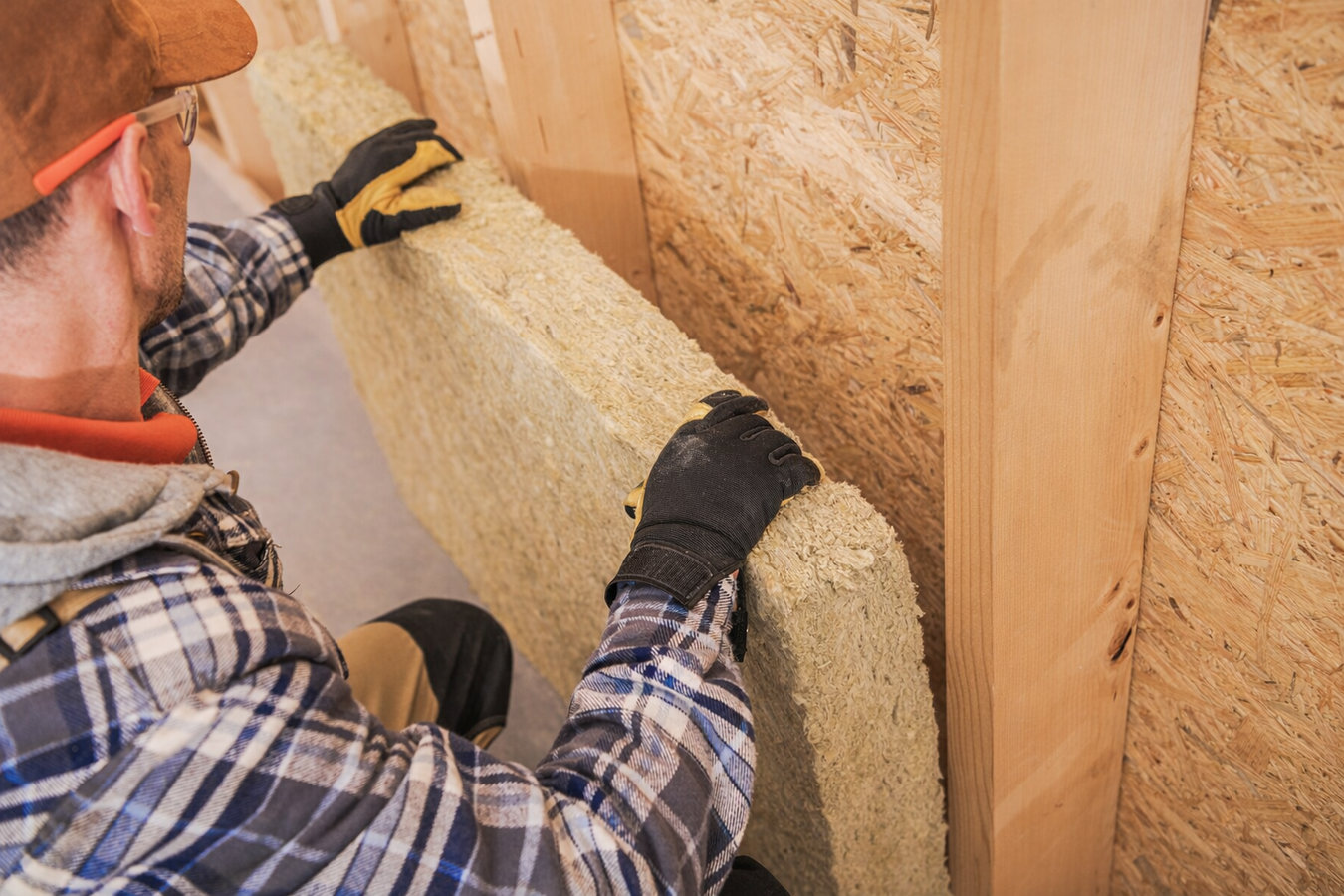
For open walls during a renovation, we install batt insulation cut to fit snugly between each stud bay. Open walls give us direct access to verify full coverage before drywall goes up. We also recommend combining wall insulation with blown-in insulation in the attic when both areas are underperforming, since addressing only one limits how much comfort improvement you will feel.
Every job includes a written estimate before any work starts. The estimate specifies the material, coverage area, and target R-value, so you know exactly what you are getting. We also provide the material documentation you need to claim any applicable federal tax credit when you file.
Best for finished walls in existing homes where drywall removal is not practical.
Suited for brick-veneer homes or wall cavities where a denser fill is needed for maximum coverage.
Ideal for renovation projects where walls are open and direct access allows full coverage verification.
For homeowners who want to address both heat transfer and air infiltration in one visit.
Abilene sits in a semi-arid climate where summer temperatures regularly exceed 100 degrees and the heat season stretches from late May through September. That means your walls are fighting off intense heat for nearly five months of the year. Under-insulated walls translate directly into higher electric bills and rooms that never quite cool down, especially on the south and west sides of the house where the afternoon sun hits hardest.
A significant portion of Abilene's housing stock was built between the 1950s and 1980s under older construction standards that allowed for minimal wall insulation. Many of those homes also have brick veneer exteriors, which changes how the work is done but does not make it any less effective. The U.S. Department of Energy recommends R-13 to R-15 for exterior walls in this climate zone, and many older Abilene homes fall well short of that target.
We work on homes throughout the region. Homeowners in Abilene, Brownwood, and Stephenville all deal with the same older brick-ranch housing type and the same summer heat load. The approach we use here is calibrated for that reality.
Reach out by phone or form and we respond within 1 business day. We will ask about your home's age, wall type, and what has been prompting your concern so we arrive prepared rather than starting from scratch.
We walk the exterior walls, check for existing insulation using a probe or thermal camera, and note the construction type. This visit takes about 30 to 60 minutes and ends with a written estimate that specifies materials, coverage, and total cost. No quote without a look first.
For blown-in jobs, the crew drills small holes at each wall section, fills the cavity completely, then patches the holes. Most single-story Abilene homes are finished in one day. You do not need to move out or empty your rooms for this work.
Patches are small and nearly invisible once painted. We clean up the work area completely and provide material documentation so you have what you need to claim any applicable federal energy efficiency tax credit.
Free in-home assessment, written estimate, no sales pressure. We respond within 1 business day.
(325) 283-1586A large share of Abilene homes built from the 1960s onward have brick exteriors where drilling from outside is not practical. We work from the interior on these homes, which requires a different setup and more care around finished surfaces. We have done enough of these to know exactly how to keep disruption minimal.
Every quote specifies the insulation material, the coverage area, the target R-value, and the total cost. You will not be surprised on installation day, and you will have the documentation you need to claim a federal tax credit if your project qualifies. No verbal estimates, no after-the-fact surprises.
We have been working on Abilene homes long enough to know what the local housing stock looks like and what it takes to do the job right in this climate. Taylor County homes have their own quirks, and we show up knowing what to expect.
We document every job from start to finish and give you a written record of what went into your walls. That record means you have a clear line of accountability if anything does not meet the standard. We can provide the documentation on request.
Wall insulation in an older Abilene home is not a glamorous project, but it is one of the highest-return upgrades you can make. We have handled enough of these jobs to give you a straight answer about what your home needs and what it will cost, without overpromising on the outcome.
For general guidance on insulation R-values and energy efficiency, the ENERGY STAR program and the Building Performance Institute are reliable independent sources.
Close the gaps that insulation alone cannot stop, so conditioned air stays inside and outside air stays out.
Learn moreLoose-fill insulation applied through small holes for attics and wall cavities where direct access is limited.
Learn moreAbilene summers are long and hot. The sooner your walls are insulated, the sooner your home holds its temperature the way it should. Call or request a free estimate online.