Loading...
Serving Abilene, TX and surrounding areas. (325) 283-1586
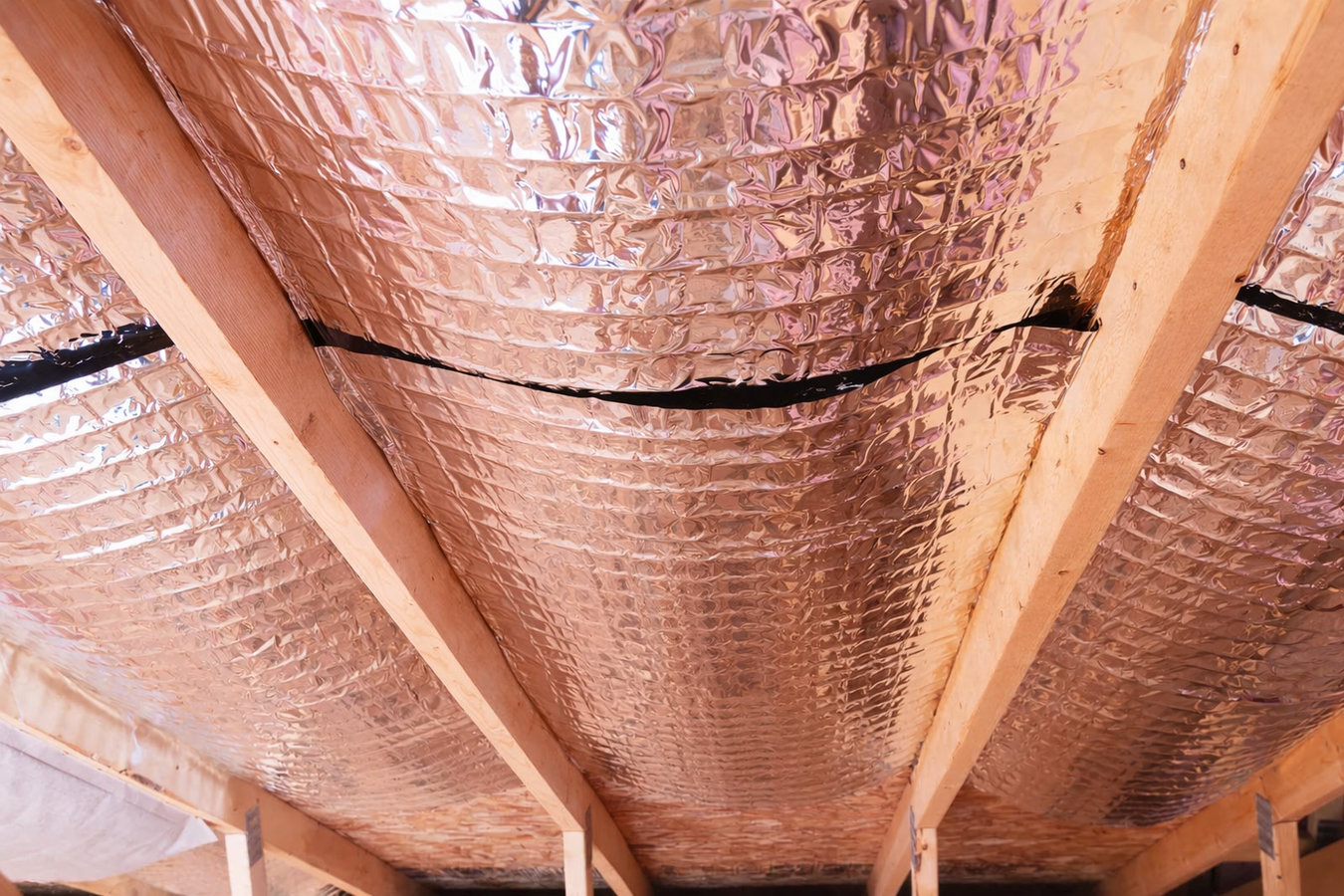
Your home does not need a renovation to get better insulation. Retrofit work adds the right material to your attic, walls, and crawl space around your existing structure so your AC actually keeps up with West Texas summers.
Retrofit insulation in Abilene means adding new insulation to a home that is already built, using blown-in or spray foam material that goes in through existing access points. Most attic jobs are finished in one to two days with no disruption to your living space, and the crew works entirely in the attic and outside.
A significant portion of Abilene homes were built in the 1950s through 1970s, when insulation standards were far lower than they are today. If your home falls in that range, the insulation that was originally installed may have settled, degraded, or been disturbed by pest activity or HVAC work over the decades. Retrofit insulation brings the home up to standards that actually match the climate. Pairing this work with home insulation improvements throughout the building envelope delivers the most complete result.
The U.S. Department of Energy recommends an attic R-value between R-38 and R-60 for Abilene's Climate Zone 3, which translates to roughly 12 to 20 inches of blown insulation depending on the material used. A good contractor measures what you already have and tells you exactly how much more you need before any work begins.
If the second floor or rooms directly under the roof feel significantly hotter than the rest of the house during Abilene's summer months, your attic insulation is failing to stop heat gain. In a city where temperatures regularly top 100 degrees, a poorly insulated attic acts as a heat collector that radiates warmth straight down into your living space. This is one of the clearest signs that adding insulation would make an immediate difference.
Abilene homeowners with under-insulated homes often see summer electric bills that feel out of proportion to the size of their house. If your air conditioner runs almost constantly and the bill still climbs, heat gain through the ceiling is likely the main culprit. Insulation is one of the most cost-effective ways to reduce that load on your cooling system.
If you look into your attic and can see the wooden beams running across the floor, your insulation level is almost certainly too low. Insulation should sit well above those joists. If the wood is visible, you are losing significant amounts of conditioned air year-round. Any homeowner can safely check this from the attic hatch without going all the way in.
Homes built in Abilene's older neighborhoods before 1980 were constructed under insulation standards that are a fraction of what is recommended today. Even if insulation was added at some point, it may have settled or been disturbed by pest or HVAC work over the decades. Age alone is a strong enough reason to have a contractor assess the current condition.
We handle retrofit insulation across the full building envelope: attic floors, wall cavities, and crawl space ceilings. Attic work is the most common starting point, since heat enters most through the roof plane in West Texas summers. We measure existing depth, identify air leaks and gaps, seal penetrations around light fixtures and plumbing, and then blow insulation to the correct depth for your climate zone. The sealing step is not optional: adding material on top of unsealed gaps is like putting insulation over a sieve.
Wall cavity insulation is more involved. We drill small holes through the exterior or interior, inject insulation using a dense-pack process, and then patch and paint the holes so the finished look is clean. This is particularly common in older Abilene brick ranch homes where the wall cavities were left empty or have minimal material from the original build. For homes where a full envelope approach is needed, we also address commercial insulation for business owners dealing with the same heat-gain problems in their buildings.
Every retrofit job starts with a free on-site estimate. We measure what you have, tell you what your home needs to reach the recommended R-value for this climate zone, and give you a written quote before any work begins. There are no surprises on scope or cost after the estimate.
Best for most Abilene homes where heat gain through the ceiling is the primary problem and the attic is accessible.
Suited for older brick ranch homes with empty or under-insulated wall cavities that need improvement without major interior work.
For homeowners who want maximum efficiency by sealing gaps and bypasses before new insulation material goes in.
For homes with a crawl space foundation where heat or cold enters from below and the floor assembly needs attention.
Abilene sits in Climate Zone 3, one of the hottest designations in the continental United States. Summer highs regularly exceed 100 degrees and the heat persists well into September. That means your insulation is working hardest in summer, not winter. Its main job is keeping brutal outdoor heat from pouring into your living space through the attic ceiling. Homeowners in this climate typically notice the biggest payoff from insulation upgrades as lower AEP Texas electric bills during June through August, when air conditioning runs almost without stopping.
Abilene's older housing stock makes the case even stronger. Established neighborhoods around Elmwood, North 10th Street, and the subdivisions near Hardin-Simmons University are filled with homes built in the 1950s through 1970s under insulation standards that are far below what is recommended today. Many of these homes have never been updated. Abilene is also one of the windiest cities in Texas, and the dry climate means blown-in insulation can shift differently than in more humid regions. A good contractor accounts for this by installing slightly above target depth.
We serve homeowners throughout Abilene, Brownwood, and Waco. If your home is in an older neighborhood anywhere in West Texas and the attic has not been looked at in years, we can tell you where things stand with a free estimate.
We reply within one business day to schedule a free in-home estimate. You do not need to prepare anything special - just let us in and point us toward the attic access. The estimate visit typically takes 30 to 60 minutes.
We go into the attic, measure existing insulation depth, and look for gaps, air leaks, and problem areas. At the end of the visit you get a written quote explaining what we recommend and why. No cost, no obligation.
Once you choose us, scheduling is straightforward. Most Abilene attic jobs can be booked within one to two weeks. Spring slots fill faster as homeowners prepare before summer heat, so earlier in the season is always better.
We set up a blowing machine outside, run a hose into the attic, and fill the space evenly. Your living areas stay completely undisturbed. Most attic jobs finish in a single day, and we show you photos of the finished attic before we leave.
Free estimate, written quote, no obligation. We reply within one business day.
(325) 283-1586We work in Abilene's older housing stock every week, and we know what to expect in a 1960s brick ranch attic before we ever open the hatch. That local experience means we quote accurately the first time and do not hit surprises mid-job that add to your cost.
We seal gaps around light fixtures, plumbing penetrations, and attic hatches before any insulation goes in. Skipping that step is the most common shortcut contractors take, and it costs homeowners real money in lost efficiency every summer.
Federal Trade Commission rules require a label near the attic hatch after every blown-in job showing the depth and material installed. We follow that requirement on every job, and we show you photos from inside the attic before we pack up. That documentation also supports your federal tax credit claim.
AEP Texas has offered rebate programs for energy efficiency improvements. A contractor who knows how to document work for an AEP rebate claim is one who has done this in Abilene before. We can walk you through what paperwork you need before the job starts so you do not miss out on available savings.
When you combine proper air sealing with the right insulation depth for Climate Zone 3, the result is a home that actually reaches your thermostat setting instead of one where the AC runs all day and the upstairs still feels like an oven at three in the afternoon. That is the standard we hold every job to, and it is why our customers call us back when they are ready for the next phase of their home improvement project.
Insulation upgrades for Abilene business owners dealing with the same heat-gain problems in older commercial buildings.
Learn moreComprehensive home insulation services that address the full building envelope beyond just the attic.
Learn moreSpring slots fill before summer heat arrives. Call now or submit your request online and we will be in touch within one business day.