Loading...
Serving Abilene, TX and surrounding areas. (325) 283-1586
Abilene Insulation Company provides insulation contractor services throughout Abilene, TX, including spray foam insulation, attic insulation, and blown-in insulation. We have served Abilene homeowners since 2022 and understand what West Texas heat does to an older home sitting on a slab.
Abilene Insulation Company provides insulation contractor services throughout Abilene, TX, including spray foam insulation, attic insulation, and blown-in insulation. We have served Abilene homeowners since 2022 and understand what West Texas heat does to an older home sitting on a slab.
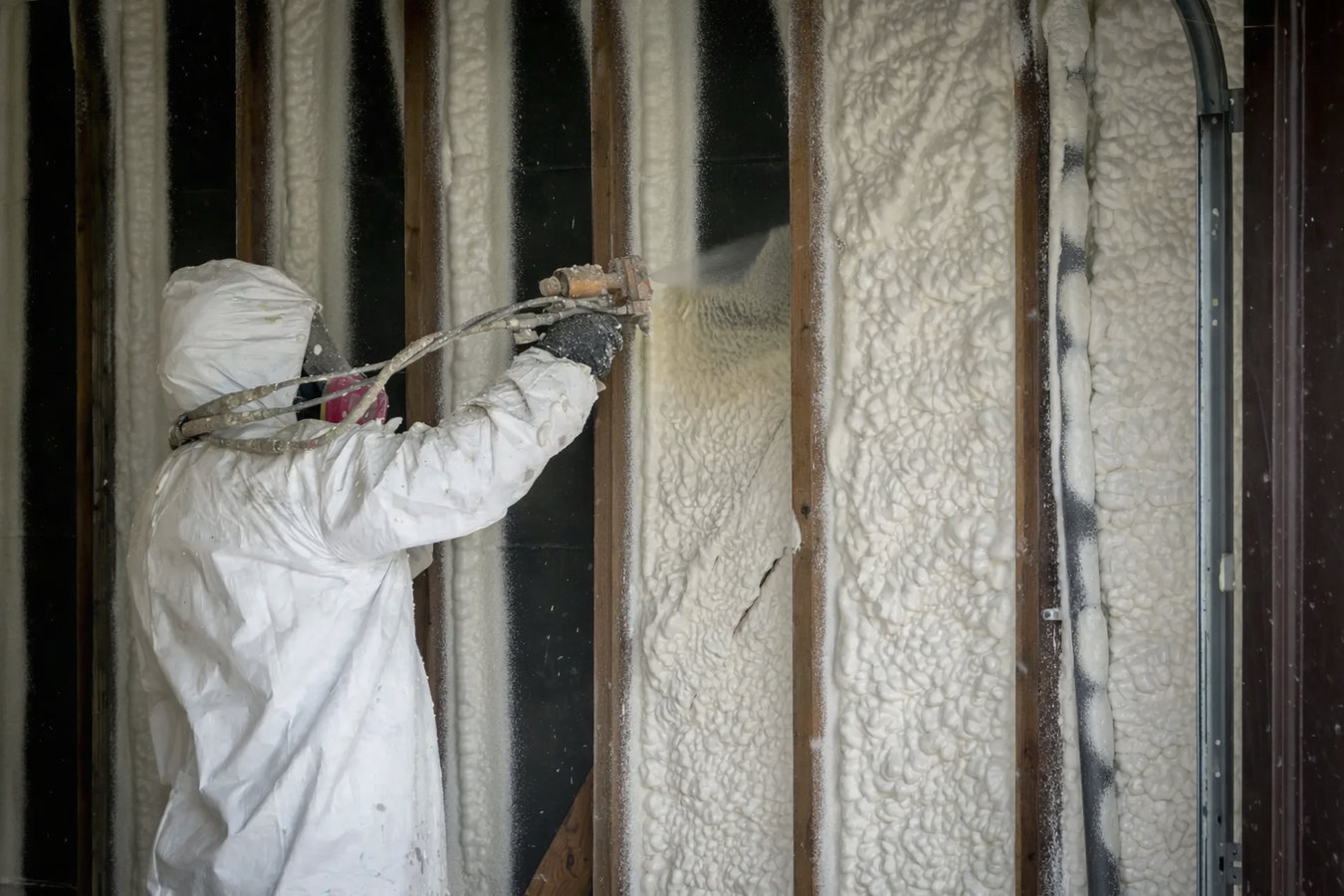
Abilene homes built in the 1950s and 1960s have gaps around old pipes, wiring, and framing that batt insulation cannot reach. Spray foam expands into every crack and provides an airtight seal that stops West Texas wind from pushing outside air through your walls all day. If your electric bills have been climbing without a clear reason, spray foam insulation is often the most direct fix for an older Abilene home.
Abilene attics hit 140 to 160 degrees Fahrenheit on the hottest summer afternoons, and a poorly insulated ceiling turns that heat into a constant load on your air conditioner. Most homes in Abilene's established neighborhoods are well below the insulation depth recommended for this climate zone. Upgrading your attic is the single most cost-effective move for controlling cooling bills in West Texas.
Blown-in insulation is the most practical choice when an Abilene attic already has some material in place but not enough depth. The equipment runs a flexible hose up through your access hatch, and a crew can fill an average attic in a few hours without requiring you to leave your home. It works especially well in older homes where irregular joist spacing and existing obstructions make roll insulation impractical.
Abilene's clay-heavy soil expands and contracts with every wet and dry spell, and that movement gradually opens gaps around crawl space penetrations and along foundation walls. Those openings let in hot summer air, cold drafts in winter, and moisture that can damage floor framing over time. Insulating and sealing a crawl space is especially important in Abilene homes where foundation movement has been ongoing.
Abilene averages more wind than most of Texas, and that persistent wind actively pushes outside air through gaps around outlets, light fixtures, and pipe penetrations. Adding insulation without air sealing first is like plugging a hole and leaving a window open. Sealing those gaps first means the insulation you pay for actually works as intended rather than compensating for air moving right past it.
Retrofit insulation upgrades existing Abilene homes without requiring demolition or full renovation. Because most of the city's housing stock was built decades before modern energy codes, retrofit work is one of the most common projects we handle here. Wall cavities, attic floors, and hard-to-reach corners can all be improved without touching the finished surfaces of your home.
Abilene sits in the Rolling Plains of West Texas, where summer temperatures regularly climb above 100 degrees Fahrenheit and stay there for weeks. The average July high is near 97 degrees, and attic spaces can reach 150 degrees or more on the hottest afternoons. For a city where more than half of homes were built before 1980, that heat load presses against ceilings and walls that were never insulated to today's standards. The result shows up on your electric bill every summer.
The soil around Abilene is heavy with shrink-swell clay, which swells when it absorbs water and contracts when it dries. That constant movement is one of the most recognized issues for Taylor County homeowners, and over time it opens small gaps around foundation penetrations, crawl space walls, and ceiling penetrations that are prime pathways for air and moisture. Insulation work here means accounting for those gaps, not just adding material on top of them.
Abilene winters are mild most of the time but include genuine hard freezes, and the February 2021 winter storm showed how quickly an under-prepared home can suffer serious damage. A properly insulated and air-sealed home holds heat better during those freezes, which reduces the risk of pipes reaching dangerously low temperatures. Insulation work in Abilene solves both the summer cooling problem and the winter heating problem with the same project.
We have been pulling permits through the City of Abilene's Development Services department since we started operating here, and we know the inspection process for projects that require one. Most of our Abilene work is on single-story brick ranch homes built between the 1950s and 1980s, and we know exactly what to look for when we open an attic hatch in one of those houses, from old fiberglass that has settled down to half its original depth to gaps around knob-and-tube electrical work that need to be addressed before new insulation goes in.
Getting around Abilene is straightforward. Interstate 20 runs east-west through the city, and most jobs land somewhere between the neighborhoods near Abilene Christian University on the north side and the older central neighborhoods close to downtown and Frontier Texas! . Homes near Dyess Air Force Base on the southwest side often include military families who need a contractor they can trust to schedule around their routines.
We also serve homeowners in Brownwood to the southeast, as well as other communities across West Texas. If you are in Abilene and want to know whether a neighbor has used us, call and ask, and we will give you a reference from your side of town.
Reach us by phone or the contact form. We respond within 1 business day and will ask a few basic questions about your home, its age, and what you have noticed, so we arrive at the estimate prepared.
We visit your home, measure current insulation depth, and look for gaps, moisture, or pest damage. This is also where we confirm whether your project requires a permit. There is no cost for the estimate, and you do not need to be there the entire time.
The crew air-seals gaps first, then installs the insulation. Most Abilene attic jobs finish in a single day. If spray foam is used, you and your pets will need to stay clear of the treated area for two to four hours after spraying.
Before we leave, we walk you through the completed work and answer any questions. We leave depth markers in the attic and provide documentation for any permitted inspection, so you have a clear record if you ever sell or need to make a claim.
Abilene homeowners call us when they are tired of high summer bills and rooms that never cool down. We serve all areas of Abilene and can usually schedule an in-home estimate within a few days.
(325) 283-1586Abilene is the largest city in Taylor County, with a population of around 125,000 people, and it sits at the geographic heart of West Texas. The city is home to three universities, including Abilene Christian University, Hardin-Simmons University, and McMurry University, as well as Dyess Air Force Base, one of the city's largest employers. That mix of institutions, military families, and long-term homeowners gives Abilene a stable, community-oriented character that most residents take pride in.
The housing stock reflects the city's history. Most of Abilene's residential neighborhoods are filled with single-story brick ranch homes on slab foundations, the majority built between the 1950s and 1980s. Median home values sit well below the Texas average at around $140,000 to $160,000, which means homeowners here are protective of their investment and careful about who they hire. The neighborhoods near downtown and around the universities tend to be older and denser, while the north and east sides include newer subdivisions.
We also work in Brownwood about 90 miles to the southeast. If you are in Abilene and want to schedule an estimate, call us at (325) 283-1586 or use the contact form on this site.
Professional spray foam insulation that creates an airtight seal and superior thermal performance.
Learn moreAttic insulation solutions that reduce heat transfer and lower energy costs year-round.
Learn moreBlown-in insulation fills gaps and cavities for consistent coverage throughout your home.
Learn moreWhole-home insulation services tailored to improve comfort and reduce energy waste.
Learn moreSafe removal of old or damaged insulation to prepare your space for a fresh installation.
Learn moreCrawl space insulation that controls moisture and prevents heat loss through your floors.
Learn moreWall insulation that improves thermal resistance and reduces outdoor noise.
Learn moreAir sealing services that eliminate drafts and prevent conditioned air from escaping.
Learn moreBasement insulation that keeps lower levels dry, comfortable, and energy-efficient.
Learn moreClosed-cell foam provides the highest R-value per inch and a strong moisture barrier.
Learn moreOpen-cell foam offers excellent sound dampening and flexible coverage for interior spaces.
Learn moreAttic air sealing stops thermal bypass and improves the performance of your insulation.
Learn moreVapor barriers in the crawl space block ground moisture from entering your living areas.
Learn moreProfessional vapor barrier installation that protects your structure from moisture damage.
Learn moreRetrofit insulation upgrades existing homes without requiring major demolition or renovation.
Learn moreCommercial insulation services for offices, warehouses, and industrial facilities.
Learn moreServing these cities and communities.
Call Abilene Insulation Company for a free estimate. We know West Texas homes, and we will tell you honestly what your house needs.