Loading...
Serving Abilene, TX and surrounding areas. (325) 283-1586
If your Abilene home was built before 1990, it was almost certainly built to insulation standards that no longer hold up against today's summers. We assess every area, explain exactly what needs to change, and do the work right the first time.
home insulation in Abilene slows heat from moving through your attic, walls, and floors, keeping your living space cooler in summer and warmer in winter. Most standard attic jobs in an average-sized home are completed in a single day, and the improvement is noticeable on your next utility bill.
Abilene's housing stock skews older. A large share of the city's single-family homes were built in the 1950s through 1980s, when insulation standards were far lower than they are today. If your home is one of them and insulation has never been updated, you are likely losing conditioned air every day through the ceiling, walls, and floor.
The most common starting point is the attic, which delivers the biggest improvement for the cost. For homes needing a full thermal envelope review, we also look at walls and crawl spaces. If existing material is damaged or pest-affected, we handle insulation removal before adding new material, and for older homes specifically, retrofit insulation is often the right approach.
If your cooling costs in June, July, and August feel out of proportion to neighbors with similar-sized homes, insulation is one of the first things worth checking. Abilene summers are long and intense enough that a well-insulated home and a poorly insulated one can show a meaningful difference on the electric bill month after month.
Walk through your home on a hot afternoon. If the bedroom at the end of the hall is always noticeably warmer than the living room, or a room above the garage never quite cools down, insulation is uneven or missing in those areas. This is a common finding in Abilene homes built before the 1990s.
On a 100°F day, put your hand near the ceiling in your hottest room. If you feel warmth radiating downward, your attic insulation is likely thin or compressed. You may also notice this near exterior walls that face west and take the full force of the afternoon sun.
A properly insulated home allows your air conditioner to cycle on and off. If your system runs almost constantly during the hottest months, it is working against heat pouring in through under-insulated surfaces. That shortens equipment life and drives up energy costs at the same time.
Every home insulation project starts with an honest assessment. We look at your attic, walls, and any crawl space to measure what is already there, check for air leaks, and identify any moisture or pest damage that needs to be addressed before new material goes in. You receive a written estimate that explains what we found and exactly what we recommend before any work is scheduled.
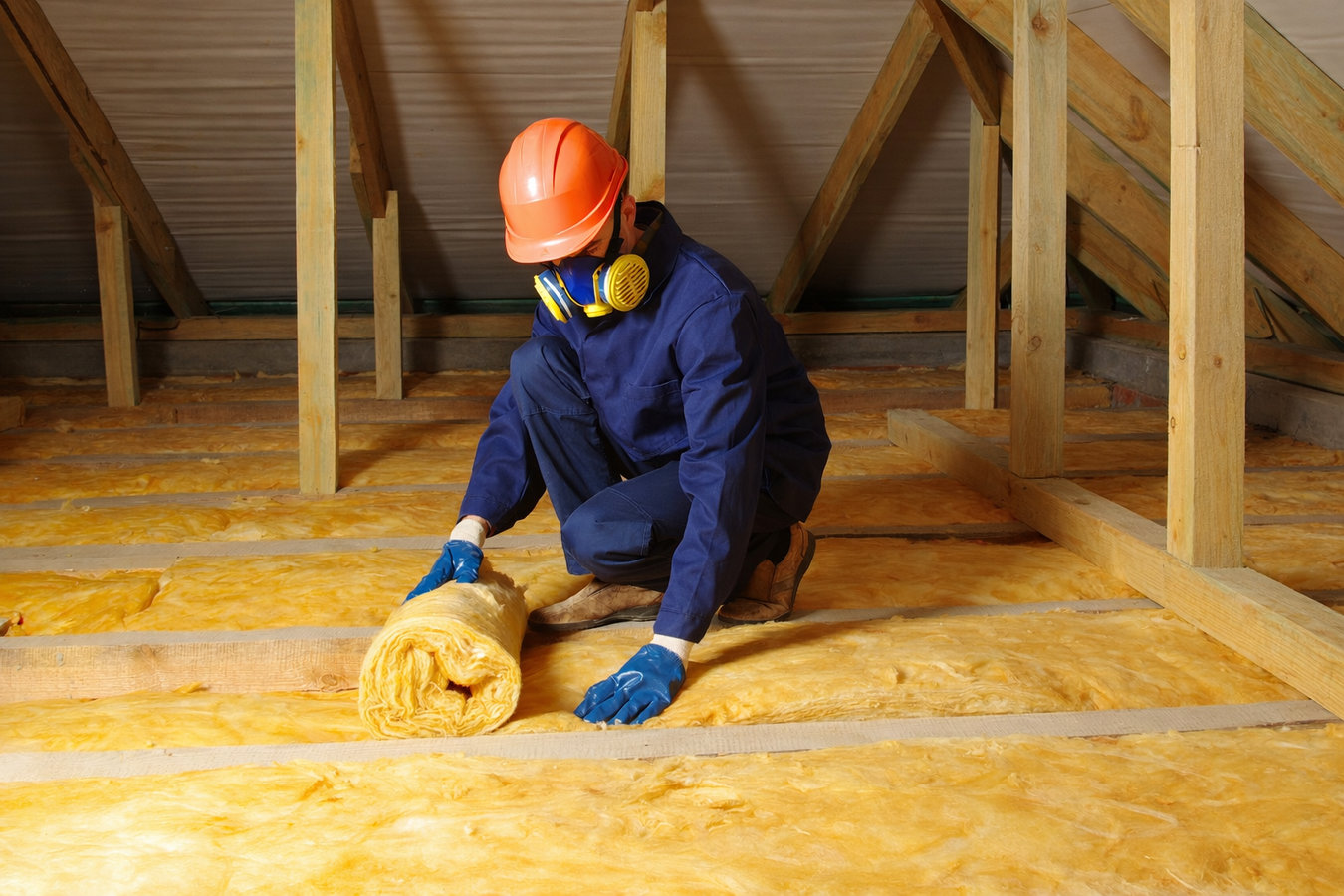
For most Abilene homes, the attic is where the biggest gains come from. We install blown-in, batt, and spray foam insulation depending on what each area requires. For attic ceilings that have gaps around light fixtures and the hatch, we air-seal those openings before adding any material. If old or damaged insulation needs to come out first, we offer insulation removal as a standalone service.
Older homes that were built without wall insulation or with minimal crawl space coverage can also benefit from retrofit insulation, which adds material to existing structures without a full tear-out. We will tell you plainly which approach makes sense for your specific home and budget.
The most common starting point. Delivers the biggest comfort and bill improvement for most Abilene homes.
For older homes built without wall insulation, or rooms that face west and absorb afternoon sun.
Addresses heat and moisture entering through the floor in homes with a crawl space rather than a slab.
Adds insulation to existing walls and attics in older homes without requiring a full renovation.
Abilene sits in a climate zone where summer highs regularly exceed 100°F and the heat builds for months rather than weeks. That sustained heat load means your attic insulation is working harder and longer than it would in Dallas or Houston. Homeowners here often see the biggest payoff from insulation upgrades during June through September, when the difference between a well-insulated and a poorly insulated home appears directly on the electric bill.
A significant share of Abilene's neighborhoods, particularly the brick ranch homes that fill areas near downtown and North Abilene, were built in the 1950s and 1960s. These homes were never designed to meet today's energy standards, and whatever insulation was originally installed has had decades to settle and thin. Abilene's clay-heavy soil also causes homes to shift slightly with seasonal moisture changes, opening small gaps around ceiling penetrations and attic hatches over time. Those gaps let conditioned air escape even when the insulation itself is adequate.
We work on homes throughout Abilene and across the region, including Brownwood, Stephenville, and Wichita Falls. The same older housing stock and West Texas climate conditions apply throughout this part of the state.
We will ask about your home's age, size, and what is prompting you to call. This takes about 10 minutes and helps us arrive prepared. We respond within 1 business day and can usually schedule a visit within a few days of your first contact.
A contractor visits your attic, walls, or crawl space depending on your situation. We measure what is already there, check for air leaks, and look for moisture or pest damage that needs addressing first. The visit typically takes 30 to 60 minutes.
You receive a written quote that explains what was found, what work is recommended, what materials will be used, and the total cost. We explain our reasoning, not just hand you a number. This is also the right time to ask about available AEP Texas rebates or federal tax credits.
Most standard Abilene jobs are finished in a single day. The crew cleans up before leaving, and we walk you through what was done before we go. There is no curing time, and the insulation works immediately.
We respond within 1 business day. The estimate is written and explained in plain terms before any work is scheduled. After you submit, someone from our office will call to arrange a free on-site visit where we assess your attic and give you a firm price.
(325) 283-1586We visit your home and look at the attic, walls, and any crawl space before giving you a number. That means our estimates reflect what your specific home actually needs, not a ballpark based on square footage alone.
You see the full cost in writing before we schedule the crew. We explain what we found and why we are recommending a particular approach. No add-ons after the job starts, no surprises when the bill arrives.
Serving West Texas since 2022, we have worked on brick ranch homes, older central-neighborhood houses, and newer east-side construction across Abilene and the surrounding region. We know where insulation problems show up in this city and what it takes to fix them.
According to the ENERGY STAR federal tax credit program, qualifying insulation improvements can earn a credit of up to 30% of the project cost. We help you understand what applies to your job so you do not miss available savings.
Most Abilene homeowners who call us are dealing with the same two problems: rooms that are too hot and bills that are too high. A thorough assessment followed by the right insulation for each part of the home addresses both. That is the work we do every day in this market.
The U.S. Department of Energy publishes climate-zone specific R-value recommendations that any reputable contractor should be sizing their work to.
Safe removal of old, damaged, or pest-affected insulation before new material is installed, common in Abilene's older homes.
Learn moreAdds insulation to walls and attics in existing homes without a full renovation, the practical solution for pre-1990 Abilene construction.
Learn moreAbilene's cooling season starts early. Getting your home assessed now means you stop overpaying on electricity bills before peak summer hits.