Loading...
Serving Abilene, TX and surrounding areas. (325) 283-1586
Abilene Insulation Company delivers insulation contractor services across Brownwood, TX, including full-home insulation, attic insulation, and spray foam. We have served central Texas homeowners since 2022 and understand the aging brick housing stock, clay soil movement, and summer heat that make insulation a real priority for Brown County homeowners.
Abilene Insulation Company delivers insulation contractor services across Brownwood, TX, including full-home insulation, attic insulation, and spray foam. We have served central Texas homeowners since 2022 and understand the aging brick housing stock, clay soil movement, and summer heat that make insulation a real priority for Brown County homeowners.
A large share of Brownwood's housing was built between the 1940s and 1980s, when insulation standards were far below what is recommended for central Texas today. Many of those homes still have their original insulation, compressed and degraded after decades in the attic heat. Our home insulation service addresses the whole building envelope - attic, walls, and crawl space - so every part of your home works together to hold a consistent temperature year-round.
Brownwood summers are long and punishing, with temperatures regularly hitting 95 to 100 degrees Fahrenheit from June through August. An under-insulated attic in this climate acts like a heat source sitting directly above your living space, pushing your air conditioner to run almost continuously through the hottest months. Homes in Brownwood's older brick neighborhoods near downtown are the most common candidates for an attic upgrade, because they were built when insulation standards were minimal.
Brown County's shrink-swell clay soils expand when it rains and contract during dry spells, and that cycle gradually opens gaps around foundations, utility penetrations, and wall bottom plates. Spray foam expands into those irregular openings and seals them completely, blocking both heat transfer and outside air infiltration. For Brownwood homeowners dealing with drafts, uneven room temperatures, or high summer bills, spray foam delivers results that other insulation types simply cannot match.
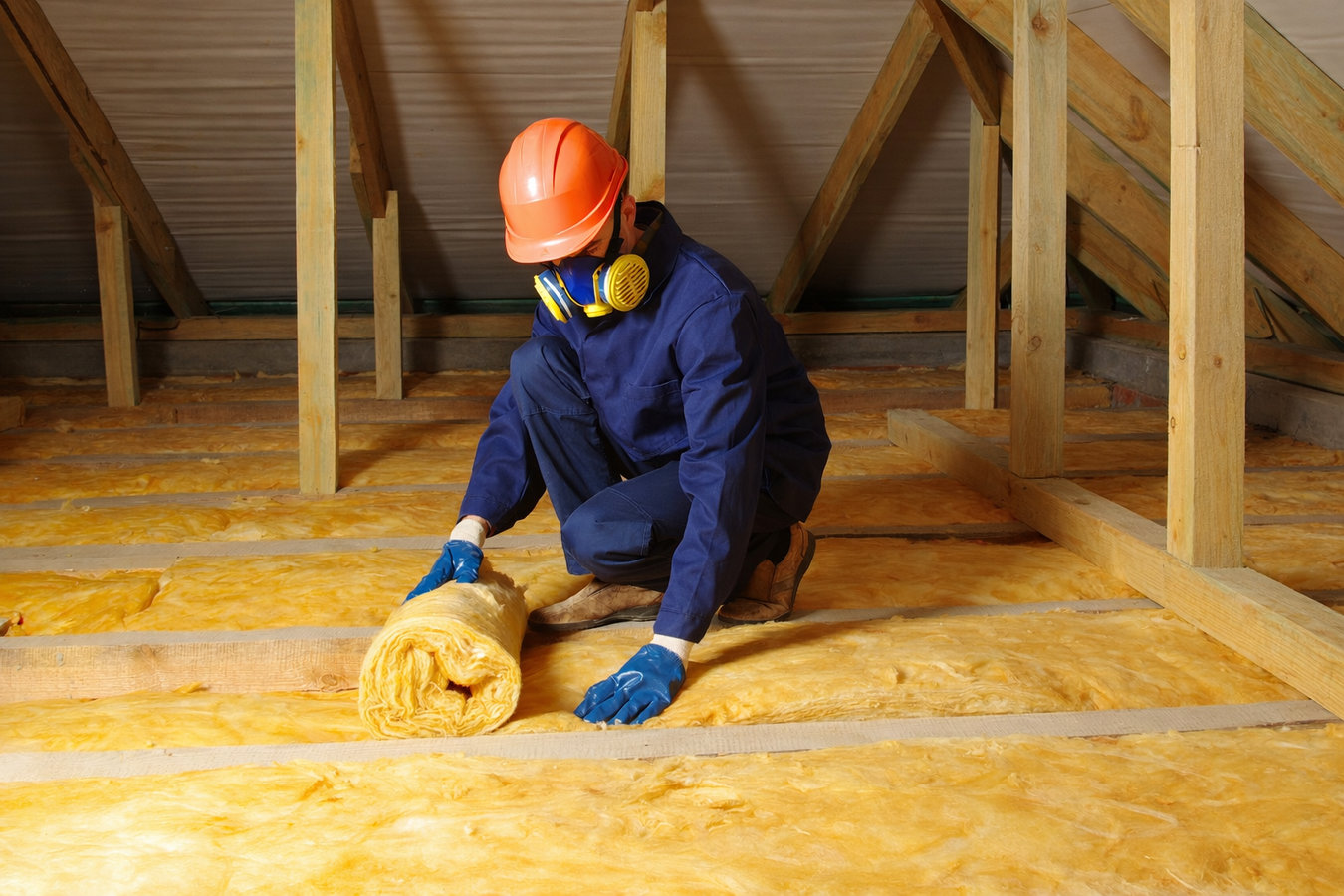
Blown-in insulation is the most practical option for Brownwood attics that already have some coverage but not enough depth for this climate. A crew can run a hose through the attic access hatch and bring the space up to the proper level in a few hours, without requiring any demolition and without needing you to vacate the home. It fills around existing framing, pipes, and fixtures more completely than batt material and handles the irregular joist spacing common in older central Texas homes.
Brownwood sees persistent spring and summer winds off the Rolling Plains, and those winds push outside air through every small gap in a home's exterior shell. Sealing those pathways at attic penetrations, along wall top and bottom plates, and around electrical outlets before or alongside insulation makes a measurable difference in how the home feels and how the HVAC system performs during central Texas heat waves.
Most of Brownwood's housing stock was built before modern insulation requirements existed, which makes retrofit work one of the most common requests we receive in this city. Retrofit methods improve wall cavities, attic floors, and crawl space perimeters in occupied, finished homes without requiring demolition or exterior work. Properties near Howard Payne University and in the older downtown neighborhoods are the most frequent candidates for this type of improvement.
Brownwood sits at the transition zone between the Rolling Plains and the Edwards Plateau, where the climate runs hot and dry for most of the year. Summer highs regularly exceed 95 degrees Fahrenheit, and the heat arrives early and stays late. The soils around town contain a high percentage of expansive clay that swells when it rains and shrinks during dry stretches, and that cycle applies constant stress to foundations, slabs, and the gaps around anything that passes through or sits on the ground.
A large share of homes in Brownwood were built between the 1920s and the 1970s, and the insulation installed in those homes, if any was installed at all, was sized to standards that have long since been superseded. Brick construction is the norm in the older neighborhoods near downtown, and while brick holds up against the heat and wind, it provides almost no thermal resistance on its own. The wall cavity behind that brick is where insulation is needed, and in many Brownwood homes that cavity is empty or filled with material that has degraded to near uselessness.
Lake Brownwood and the surrounding rural properties add another dimension. Older cabins and vacation homes north of the city are frequently under-insulated and show the effects of years of deferred maintenance. The combination of sun exposure, wind, and the summer-dry, winter-wet seasonal pattern accelerates wear on every exterior material, and insulation is no exception. A contractor who works in Brown County regularly understands how those conditions combine and can size the work appropriately for the local environment.
Our crew regularly works in Brownwood and Brown County, where the mix of aging downtown brick homes, single-family neighborhoods around Howard Payne University, and lake-area properties off Highway 279 each present a different set of insulation challenges. The homes near the university include some of the oldest housing in the city, with original plaster walls and attics that have been disturbed by HVAC upgrades and wiring changes over the decades.
Austin Avenue and Early Boulevard are two of the main corridors we travel coming in from the east, and the residential neighborhoods along those routes are home to most of the mid-century brick construction that defines Brownwood's older residential areas. The Brownwood Coliseum downtown is a landmark most locals know, and the streets around it include some of the longest-established owner-occupied homes in the city.
We also regularly serve homeowners in Stephenville to the northeast, where the housing stock shares many of the same characteristics as Brownwood. If your property is between the two cities - or in the smaller communities of Brown County - we are familiar with the area and can schedule a visit without the travel complications some contractors charge for.
Reach us by phone or through the contact form and we will respond within one business day. A brief description of your concern - high bills, uneven temperatures, or a home that never cools down - is all we need to schedule your visit.
We visit your home, check the attic and any other areas of concern, and measure what insulation is already there. The assessment is free, and we give you a written estimate before any work begins - no surprise charges after the crew arrives.
Most Brownwood attic jobs finish in a single day. The crew handles air sealing first, then adds insulation to the proper depth. You can stay home during the work; the only exception is spray foam applications, which require two to four hours out of the treated area.
Before we leave, we walk you through what was done and answer any questions. Insulation works immediately - no curing time. Most Brownwood homeowners notice a difference in comfort within the first billing cycle after the work is completed.
We serve Brownwood and Brown County. No obligation, no pressure - just a straight answer about what your home needs and what it costs.
(325) 283-1586Brownwood is the county seat of Brown County and home to roughly 18,000 to 19,000 people. The city sits in central Texas at the transition between the Rolling Plains and the Edwards Plateau, about 85 miles southeast of Abilene on US-84. It has stayed about the same size for decades, which means most residents are long-term homeowners who know the area well and invest in maintaining their properties. You can read more about the city at the Brownwood, Texas Wikipedia article.
The city's built environment is defined by older brick single-family homes in the neighborhoods surrounding downtown and near Howard Payne University, which has anchored the community since 1889. These homes were built primarily between the 1920s and the 1970s and represent the bulk of the owner-occupied housing in the city. A smaller share of the housing market consists of properties out near Lake Brownwood State Park, about 16 miles north of town, where older cabins and permanent residences on larger rural lots are common.
Brownwood also serves as the commercial hub for Brown County and draws residents from smaller surrounding communities. Neighboring areas like Stephenville to the northeast and Abilene to the northwest are the closest larger service centers, and homeowners throughout the region share the same climate and housing-stock challenges that drive demand for insulation work.
Professional spray foam insulation that creates an airtight seal and superior thermal performance.
Learn moreAttic insulation solutions that reduce heat transfer and lower energy costs year-round.
Learn moreBlown-in insulation fills gaps and cavities for consistent coverage throughout your home.
Learn moreWhole-home insulation services tailored to improve comfort and reduce energy waste.
Learn moreSafe removal of old or damaged insulation to prepare your space for a fresh installation.
Learn moreCrawl space insulation that controls moisture and prevents heat loss through your floors.
Learn moreWall insulation that improves thermal resistance and reduces outdoor noise.
Learn moreAir sealing services that eliminate drafts and prevent conditioned air from escaping.
Learn moreBasement insulation that keeps lower levels dry, comfortable, and energy-efficient.
Learn moreClosed-cell foam provides the highest R-value per inch and a strong moisture barrier.
Learn moreOpen-cell foam offers excellent sound dampening and flexible coverage for interior spaces.
Learn moreAttic air sealing stops thermal bypass and improves the performance of your insulation.
Learn moreVapor barriers in the crawl space block ground moisture from entering your living areas.
Learn moreProfessional vapor barrier installation that protects your structure from moisture damage.
Learn moreRetrofit insulation upgrades existing homes without requiring major demolition or renovation.
Learn moreCommercial insulation services for offices, warehouses, and industrial facilities.
Learn moreServing these cities and communities.
Contact Abilene Insulation Company today - we serve all of Brown County and respond within one business day.