Loading...
Serving Abilene, TX and surrounding areas. (325) 283-1586
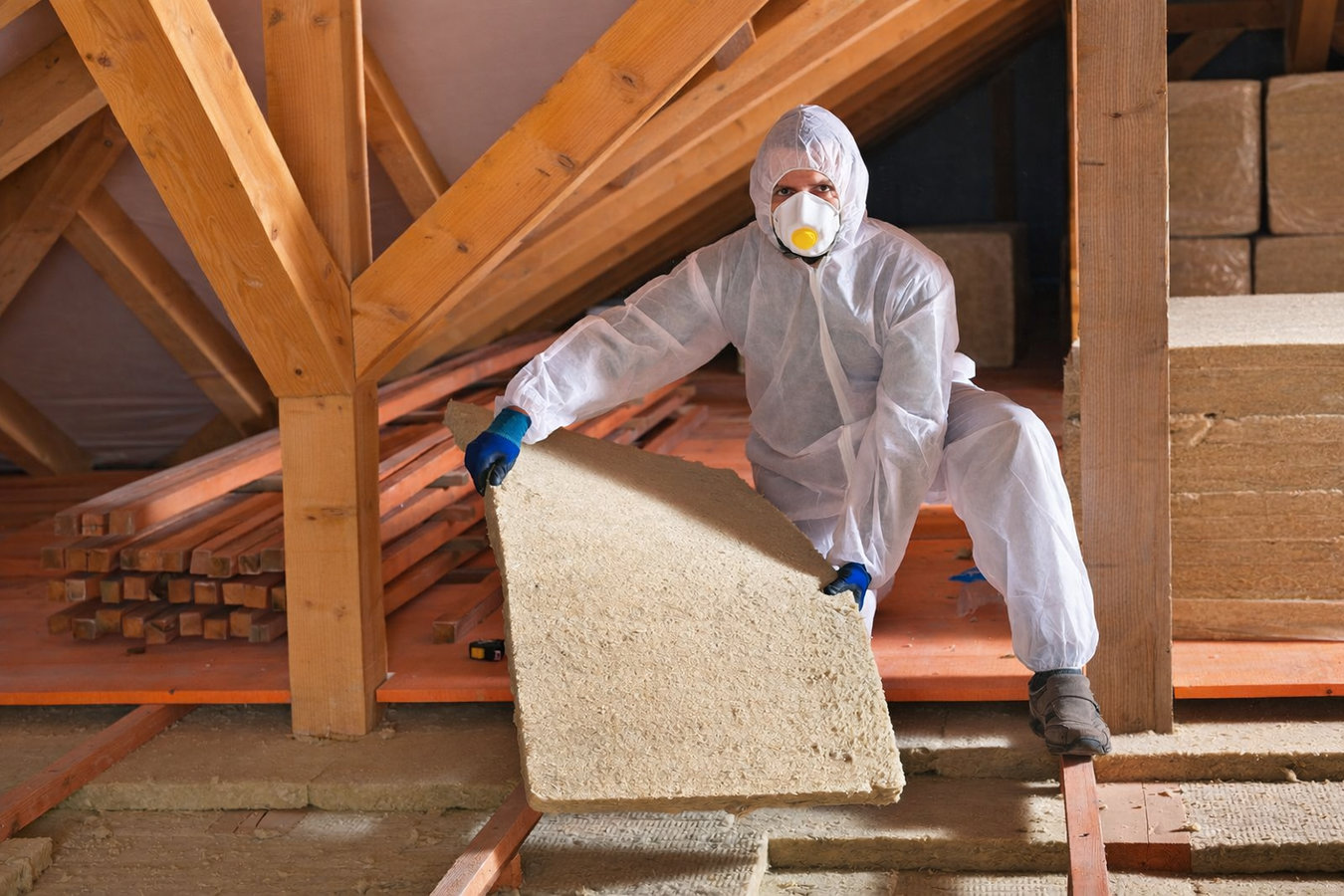
Old insulation full of pests, moisture, or decades of wear cannot be fixed by adding more on top. We remove it completely, clean the space, and give your home a real upgrade that lasts.
Insulation removal in Abilene clears out old or damaged material from attics, crawl spaces, and walls so a proper upgrade can go in cleanly. Most single-story homes are finished in one day, with disposal included and the space left clear enough to inspect every joist.
Homeowners in Abilene most often need removal when rodents have contaminated the attic, when a roof leak from a hailstorm has soaked the material, or when insulation in an older home has compressed so far it provides almost no benefit. Adding new material on top of a damaged layer does not solve any of those problems. A thorough removal clears the path for insulation that actually performs, and pairs well with retrofit insulation when you are ready to bring an older home up to a modern standard.
Once the attic is clear, we inspect for air leaks around light fixtures, plumbing penetrations, and the tops of interior walls before anything new goes in. Sealing those gaps first is the step most contractors skip, and it is the step that makes the biggest difference in how well the new insulation performs.
Droppings, chewed wiring, or scratching sounds at night all point to rodents living in your insulation. Abilene is surrounded by open ranchland, and roof rats regularly move into attics across Taylor County. Once they have nested, the material cannot be cleaned, it has to come out entirely before new insulation can go in.
If your electric bill has crept up over the past few summers without a clear reason, failing attic insulation is one of the most common causes. In Abilene's intense heat, a degraded insulation layer forces your air conditioner to run constantly to keep up, and that cost shows up fast on your bill.
Many older homes in Abilene's established neighborhoods still have their original insulation, which may be 50 or 60 years old. Insulation that old has likely compressed significantly and lost most of its effectiveness. Some materials used before the mid-1980s also require special handling before removal can begin, so a professional inspection is worth scheduling.
Abilene gets hailstorms and occasional ice events that can let water into the attic. Wet insulation loses its effectiveness almost immediately and can develop mold if it stays damp. If you had roof repairs done after a storm and no one checked the insulation underneath, it is worth having a contractor take a look before another summer arrives.
We remove blown-in fiberglass, cellulose, batt insulation, and foam from attics, crawl spaces, and wall cavities. Every job includes bagging and hauling away all removed material, so disposal is never your problem to figure out. Contaminated material from rodents or moisture is treated separately from standard debris and handled correctly from the start.
Most removal jobs lead directly into a new installation. When you are ready for that step, we can transition into crawl space insulation or a full home upgrade, since we already know exactly what is in your home and what condition the structure is in. That continuity saves time and removes the guesswork from the new installation.
For homes where removal reveals air leaks or damage, we document everything and walk you through what was found before any follow-up work is recommended. You will never be handed a surprise bill for work that was not discussed upfront. The EPA's moisture control guidance makes clear that addressing the underlying cause before re-insulating is the only way to get lasting results.
Best for homes with contaminated, wet, or severely degraded loose-fill or batt material in the attic.
Suited for homes where old batts have sagged, collected moisture, or been disturbed by pests under the floor.
For attics or crawl spaces where rodents have nested, requiring proper waste handling and disposal.
For homeowners planning a full re-insulation who need the old material cleared first so the new job starts clean.
Abilene's established neighborhoods, including areas around Sayles Boulevard, the Elmwood district, and older subdivisions near Hardin-Simmons University, are full of homes built in the 1950s through 1970s. Many of those homes still have their original insulation, which has had decades to compress, absorb moisture, or become home to pests. When attic temperatures routinely hit 150 degrees on a July afternoon, failed insulation is not a minor inconvenience, it is a direct drain on your budget every month the AC runs.
The surrounding ranchland and agricultural areas create steady rodent pressure throughout Taylor County. Roof rats and mice find their way into attics regularly, and once they do, the insulation they have nested in cannot simply be cleaned. It needs to come out. We handle this throughout Abilene, Brownwood, and San Angelo, where the same conditions apply across West Texas.
Abilene also sees periodic severe weather, including hailstorms that damage roofing and let water into attics. A single roof leak can ruin an entire attic's worth of insulation quickly. Homeowners who have had any roof repairs in the past few years should consider having the insulation underneath inspected, not just assumed to be fine. Removing wet material before it develops mold is far cheaper than addressing both problems later.
Reach out by phone or form and we respond within 1 business day. We will ask a few basic questions about your home, its age, and what is prompting the call so we can come prepared. There is no charge to talk through your situation.
We go up into your attic to assess what is there, measure the space, and look for moisture, pest activity, or other issues. You receive a written quote that breaks out removal, disposal, and any recommended follow-up work. No pressure to sign on the spot.
The crew sets up vacuum equipment outside, runs the hose to the attic opening, and seals it with plastic sheeting to keep dust out of your living space. The work is loud, similar to a powerful shop vac running for several hours. Most single-story Abilene homes are done in one day.
Once the material is out, we clean up any debris near the access point, remove the sheeting, and walk you through the cleared attic so you can see the finished space. Any air gaps or structural issues noted during the job are pointed out before we leave.
Free on-site estimate, written quote, no obligation. We respond within 1 business day.
(325) 283-1586We treat pest-contaminated insulation as the hazardous waste it is. Material is bagged, removed, and disposed of separately from standard debris. Skipping this step is a shortcut that leaves your home with an ongoing air quality problem.
Abilene attics in July are some of the hottest working environments in Texas. We schedule removal jobs to start early, work safely, and finish on time. Contractors from outside the region often underestimate what summer conditions here actually require.
Every removal quote from us includes hauling the material away. Some contractors list disposal as a separate line item after you have already agreed to a price. We do not do that. The quote you receive covers the complete job.
We photograph the space before and after and give you a written record of what was removed and hauled off. You get that documentation with your free estimate. A clear record is how you hold any crew accountable for the work.
We put the scope and price in a free written estimate before any material comes out, so you know exactly what the job covers. A written record is how you hold any crew accountable for the work.
Our combination of local knowledge, proper waste handling, and transparent pricing is what keeps Abilene homeowners calling us back for follow-on work. When removal is done right, the new insulation goes in cleanly and performs as it should from day one.
Insulate and seal the crawl space after removal so heat and cold cannot enter through your floors.
Learn moreUpgrade an older Abilene home's thermal performance with new insulation installed after removal clears the way.
Learn moreSummer heat is already working against your home. The sooner the old material comes out, the sooner your AC gets a real break. Call or send us a message now.