
Loading...
Serving Abilene, TX and surrounding areas. (325) 283-1586
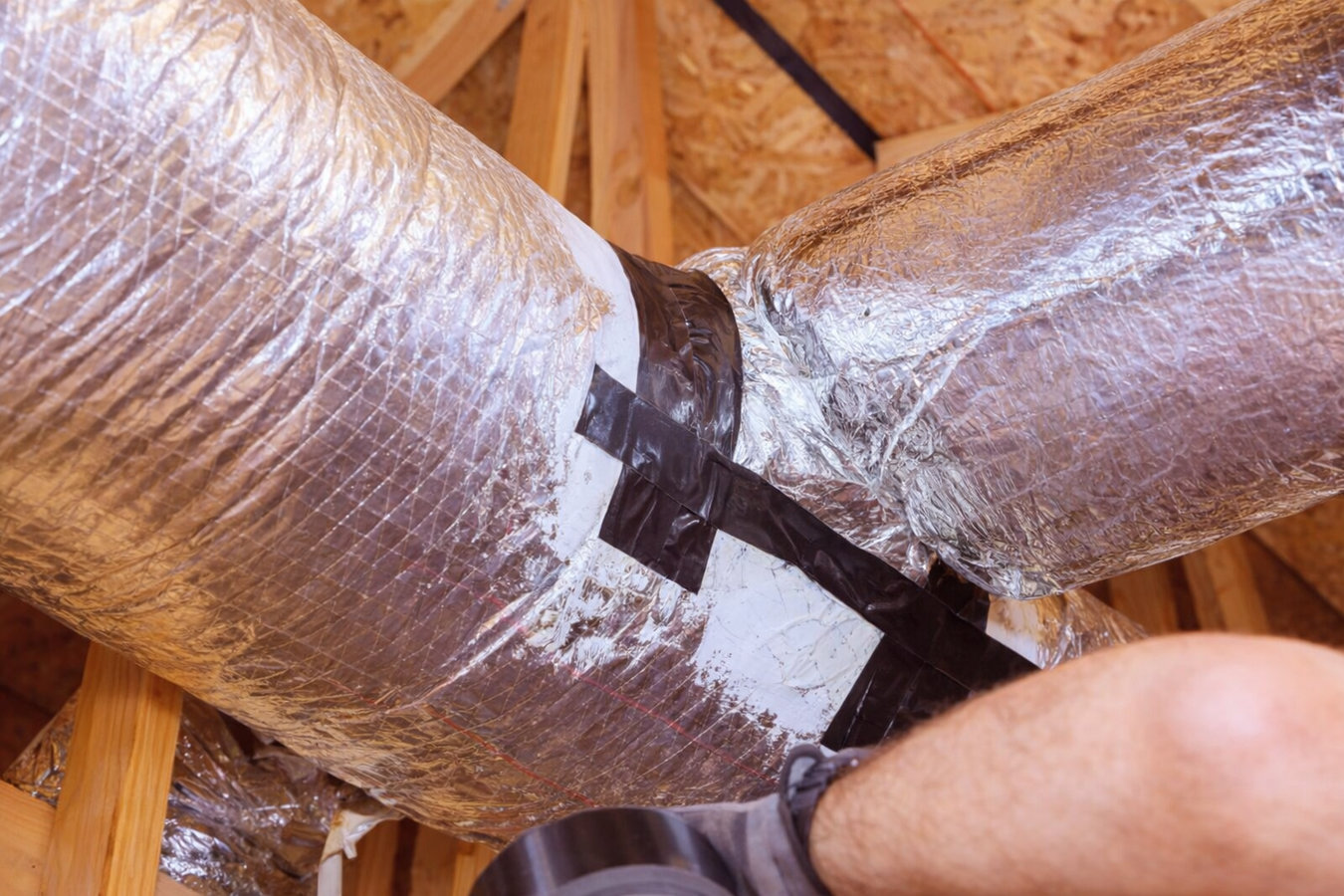
Abilene Insulation Company delivers insulation contractor services across Temple, TX, including air sealing, attic insulation, spray foam, and blown-in insulation. We have served Bell County homeowners since 2022 and understand Temple's postwar ranch housing stock, Bell County clay soil, and the I-35 corridor's extreme summer heat that pushes attic temperatures above 150 degrees.
Abilene Insulation Company delivers insulation contractor services across Temple, TX, including air sealing, attic insulation, spray foam, and blown-in insulation. We have served Bell County homeowners since 2022 and understand Temple's postwar ranch housing stock, Bell County clay soil, and the I-35 corridor's extreme summer heat that pushes attic temperatures above 150 degrees.
Temple's 1950s through 1980s ranch homes were built before air barriers were a standard part of residential construction, and decades of clay-soil movement have widened gaps around pipes, wires, and ceiling penetrations. Those openings let hot outside air pour into the living space all summer and let your conditioned air escape year-round. Our air sealing services include a blower-door test before and after the work, so you can see the measurable improvement rather than just taking our word for it.
Temple sits on the I-35 corridor between Austin and Waco, where summer temperatures routinely exceed 95 degrees for weeks at a time. With that kind of heat pressing down on low-pitched ranch rooflines all afternoon, attic insulation that has settled or was never installed to today's recommended depth becomes a direct line item on your monthly electric bill. Bringing attic depth up to the current Department of Energy recommendation for Central Texas is the highest-return insulation upgrade for most Temple homeowners.
Bell County's expansive clay soil shifts with every wet-dry cycle, and that movement opens gaps around slab edges, crawl space perimeters, and wall penetrations that standard batt insulation cannot follow. Spray foam expands into those irregular openings and cures to a rigid seal that moves with the structure. After the February 2021 hard freeze exposed how many Central Texas homes lack adequate protection at pipe penetrations, spray foam around those entry points became a practical priority for Temple homeowners who want to avoid a repeat.
Blown-in cellulose or fiberglass is the most efficient way to add insulation depth to Temple's large stock of finished attics in existing ranch homes. The job requires no demolition - the crew runs a hose through your attic hatch and fills the space evenly in a few hours while your daily routine continues below. For homes in established Temple neighborhoods like Adams Addition where original insulation from the 1960s or 1970s has settled significantly, blown-in adds enough depth to meet current recommendations in a single visit.
Temple's railroad-era and postwar housing stock includes many homes that have been updated cosmetically but never had their wall cavities or attic floors properly insulated. Retrofit methods add coverage through small-diameter holes drilled through the exterior or interior, leaving the brick veneer and finished walls intact. For owners of older Temple homes who want the performance benefit of properly insulated walls without a full renovation, retrofit is the path that causes the least disruption.
Bell County's periodic heavy rainfall after drought periods pushes moisture into crawl spaces and under slabs faster than many homeowners expect. A correctly installed vapor barrier in the crawl space keeps that moisture from migrating into floor joists and subfloor materials, where it creates conditions for mold and wood rot. Temple homes near older drainage areas or on lots with poor site grading are especially likely to benefit from this work before other insulation upgrades are installed on top.
Temple sits on Bell County's Blackland Prairie, where the heavy clay soil expands when it rains and shrinks during dry spells. That movement is a year-round event - not just a spring phenomenon. Every wet-dry cycle widens the gaps around foundation penetrations, slab edges, and exterior wall connections that air sealing addresses directly. A contractor who has not worked in this soil type will underestimate how quickly a freshly sealed home can develop new gaps if the underlying movement is not accounted for in the scope of work.
A large share of Temple's residential housing was built between 1950 and 1985, during a period when insulation standards were a fraction of what the Department of Energy recommends for Central Texas today. Baylor Scott and White Health draws thousands of medical professionals and long-term residents to Temple, many of whom own older homes in established neighborhoods and want them performing at a modern standard without a full renovation. For that housing stock, air sealing and insulation upgrades deliver more improvement per dollar than almost any other home performance investment.
Spring thunderstorm season in Bell County brings genuine hail most years, and those storms stress the building envelope in ways that show up later as air leaks and moisture entry points rather than immediately obvious damage. The freeze-thaw events that Central Texas gets several times each winter create similar hidden damage. A contractor who works in Temple regularly understands that both the climate extremes and the soil movement are ongoing conditions that affect every job, not one-time events.
Our crew works regularly on single-story brick ranch homes in Temple's established neighborhoods, which represent the majority of the owner-occupied housing stock in the city. These are homes with low-pitched rooflines, slab foundations on clay soil, and attic spaces that are accessible but often cramped near the eaves - all conditions that affect how insulation and air sealing jobs are scoped and bid. The City of Temple Building Inspections office handles permit questions for projects that involve mechanical or ventilation changes, and our team knows which scopes require a pre-work permit and which do not.
The I-35 corridor through Temple connects the city to both Waco to the north and Austin to the south, and many homeowners here have moved from those larger markets with different expectations about contractor availability and response time. Temple is a city where most insulation calls come from owner-occupants who have lived in their homes for years - not flippers looking for the cheapest quote. That means the work we do here tends to be thorough jobs on homes that have not had an insulation assessment in a decade or more. We also regularly serve homeowners near Waco and Killeen along this same corridor.
Baylor Scott and White's main campus is the city's largest landmark and employs a significant share of Temple's long-term residents. The neighborhoods north of downtown toward the medical campus, and the newer subdivisions on the south and west sides, represent two distinct housing markets in the same city - older homes that need air sealing and depth added to settled attic insulation, versus newer builds that need gaps addressed before they have been occupied long enough for the clay soil movement to create problems.
We respond to every Temple inquiry within one business day. Tell us your home's age and what you have noticed - high bills, uneven temperatures, or dust near outlets - and we will schedule an in-person assessment from there.
We walk through your home, inspect the attic and crawl space, and run a blower-door test to find exactly where air is escaping. You receive a written estimate with a clear scope of work before you agree to anything - no verbal promises, no surprise charges.
The crew seals gaps first - around light fixtures, plumbing penetrations, and the attic hatch - then adds insulation material to the correct depth. You can stay home during blown-in or air sealing work. Spray foam jobs require a two-to-four-hour absence while the material cures.
For air sealing jobs, we run the blower-door test again after the work is complete and share the before-and-after numbers with you. That is your documented proof the job worked. For insulation jobs, we photograph the finished attic and leave a depth-marker label near the hatch.
We serve Temple and all of Bell County. Get a written estimate with no obligation - responses within 1 business day.
(325) 283-1586Temple was founded in 1881 as a railroad hub for the Gulf, Colorado and Santa Fe Railway, and that origin shaped both the city's layout and its housing stock. The historic downtown area around the Temple Railroad and Heritage Museum includes some of the city's oldest residential neighborhoods, with homes dating from the early 1900s through the postwar period. The neighborhoods near the original rail corridor have the oldest housing stock in the city and the highest concentration of insulation and air sealing needs.
Today Temple has around 90,000 residents and has been growing steadily, with Baylor Scott and White Health as the dominant employer drawing medical professionals and long-term residents who invest in their homes. The owner-occupancy rate is above 57 percent, which means the majority of Temple homeowners have a stake in the long-term performance of their property. Newer subdivisions on the south and west sides of the city, with homes built from the 1990s through today, represent a second wave of housing stock with different but equally real insulation needs. Belton Lake and Stillhouse Hollow Lake, both within a short drive of Temple, draw residents to the region who maintain both primary and lake-area properties.
Bell County's location on the Texas Blackland Prairie means clay soil runs under virtually every home in the city, regardless of neighborhood or age. That shared soil condition creates a baseline level of demand for insulation work that persists regardless of season or economy. Homeowners in nearby Killeen and Stephenville deal with the same clay-soil challenges and can expect the same standard of service we bring to Temple.
Professional spray foam insulation that creates an airtight seal and superior thermal performance.
Learn moreAttic insulation solutions that reduce heat transfer and lower energy costs year-round.
Learn moreBlown-in insulation fills gaps and cavities for consistent coverage throughout your home.
Learn moreWhole-home insulation services tailored to improve comfort and reduce energy waste.
Learn moreSafe removal of old or damaged insulation to prepare your space for a fresh installation.
Learn moreCrawl space insulation that controls moisture and prevents heat loss through your floors.
Learn moreWall insulation that improves thermal resistance and reduces outdoor noise.
Learn moreAir sealing services that eliminate drafts and prevent conditioned air from escaping.
Learn moreBasement insulation that keeps lower levels dry, comfortable, and energy-efficient.
Learn moreClosed-cell foam provides the highest R-value per inch and a strong moisture barrier.
Learn moreOpen-cell foam offers excellent sound dampening and flexible coverage for interior spaces.
Learn moreAttic air sealing stops thermal bypass and improves the performance of your insulation.
Learn moreVapor barriers in the crawl space block ground moisture from entering your living areas.
Learn moreProfessional vapor barrier installation that protects your structure from moisture damage.
Learn moreRetrofit insulation upgrades existing homes without requiring major demolition or renovation.
Learn moreCommercial insulation services for offices, warehouses, and industrial facilities.
Learn moreServing these cities and communities.
Call Abilene Insulation Company today or submit our quick online form - we respond within one business day and provide a written estimate before any work begins.